

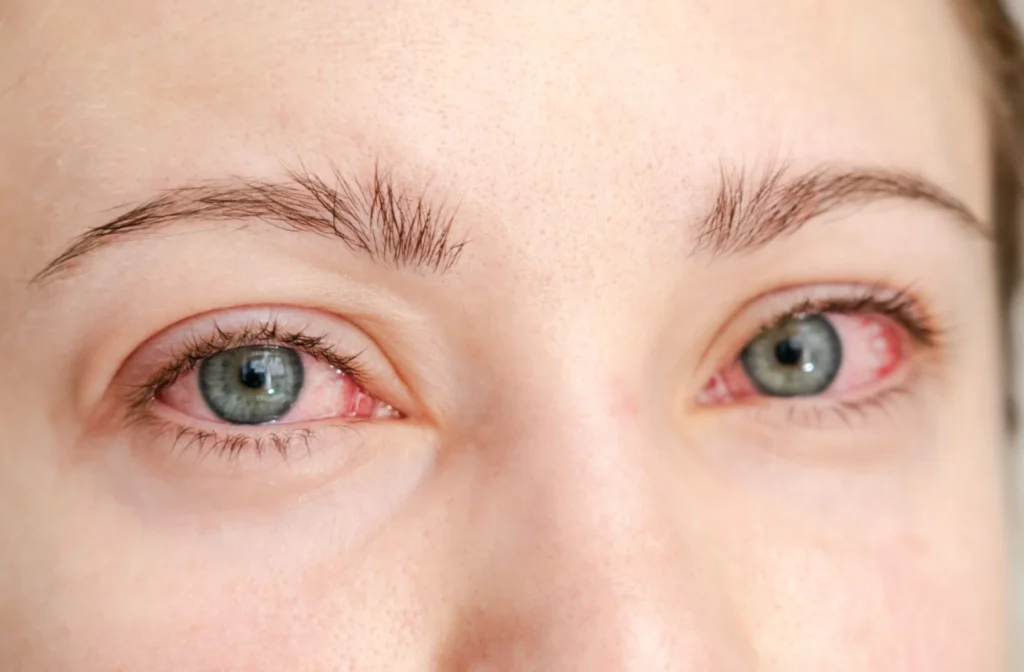

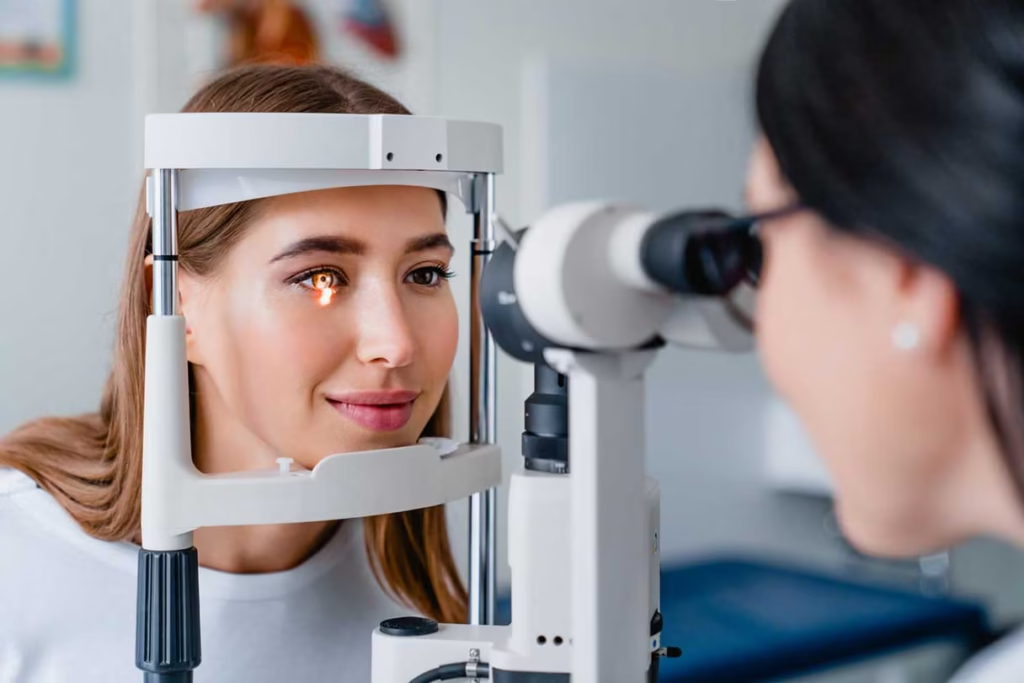
Experiencing fuzzy vision headache at the same time can be alarming. In some cases, it may simply be caused by eye strain or fatigue. However, it can also signal an underlying eye condition that requires evaluation by an Ophthalmology specialist.
If these symptoms happen frequently, visiting an ophthalmologist at a professional eye clinic can help identify the cause and prevent more serious complications.
This guide explains the possible causes of blurry vision with headaches, when to seek medical attention, and how treatments such as LASIK eye surgery may help.

Why Do Fuzzy Vision and Headaches Occur Together?
Fuzzy or blurred vision happens when your eyes struggle to focus properly. When this occurs alongside a headache, the issue may be related to:
- Eye conditions
- Neurological conditions
- Lifestyle or environmental factors
An experienced ophthalmologist can perform a comprehensive eye exam to determine the root cause.
Common Eye-Related Causes of a Fuzzy Vision Headache
1. Refractive Errors
Refractive errors are one of the most common reasons for blurred vision and headaches. They occur when the eye cannot properly focus light onto the retina.
Examples include:
- Myopia (nearsightedness) – distant objects appear blurry
- Hyperopia (farsightedness) – difficulty seeing close objects clearly
- Astigmatism – distorted or blurry vision at multiple distances
These conditions often cause eye strain, squinting, and recurring headaches, especially after reading or using digital devices for long periods.
An eye clinic can diagnose these issues and recommend glasses, contact lenses, or LASIK eye surgery for long-term correction.
2. Eye Strain from Digital Screens
Modern lifestyles involve extended screen time, which can lead to digital eye strain.
Common symptoms include:
- Blurry vision
- Headaches
- Dry or watery eyes
- Difficulty focusing
- Neck or shoulder pain
Taking breaks and adjusting screen lighting can help, but persistent symptoms should be evaluated by an ophthalmologist.
3. Binocular Vision Dysfunction (BVD)
Binocular Vision Dysfunction occurs when the eyes struggle to work together as a team. Even a slight misalignment can cause significant discomfort.
Typical symptoms include:
- Headaches in the temples or forehead
- Blurry or double vision
- Dizziness or motion sickness
- Eye fatigue
Diagnosis requires specialized testing at an eye clinic.
Neurological Causes of Blurry Vision and Headaches
Sometimes the cause may not originate from the eyes themselves.
1. Migraine Attacks
A Migraine can cause visual disturbances before or during the headache.
Symptoms may include:
- Flashing lights
- Zigzag lines
- Temporary blind spots
- Sensitivity to light
- Nausea
A specific subtype called Retinal Migraine can cause temporary vision loss in one eye.
2. Serious Neurological Conditions
Though rare, blurry vision and headaches may indicate severe conditions such as:
- Stroke
- Traumatic Brain Injury
- Temporal Arteritis
Immediate medical care is essential if symptoms occur suddenly or worsen rapidly.
Other Possible Causes
Additional health issues may trigger both symptoms:
- Low blood sugar
- High blood pressure
- Dehydration
- Carbon monoxide poisoning
An ophthalmologist may work with other healthcare providers to identify systemic causes.

When Should You Visit an Eye Clinic?
You should schedule an appointment with an ophthalmologist if you experience:
- Frequent blurry or fuzzy vision
- Recurrent headaches
- Eye pain or pressure
- Sensitivity to light
- Sudden vision changes
Early diagnosis can prevent long-term vision problems and improve overall eye health.
Can LASIK Eye Surgery Help?
For patients with refractive errors such as myopia, hyperopia, or astigmatism, LASIK eye surgery may provide long-term relief from blurred vision.
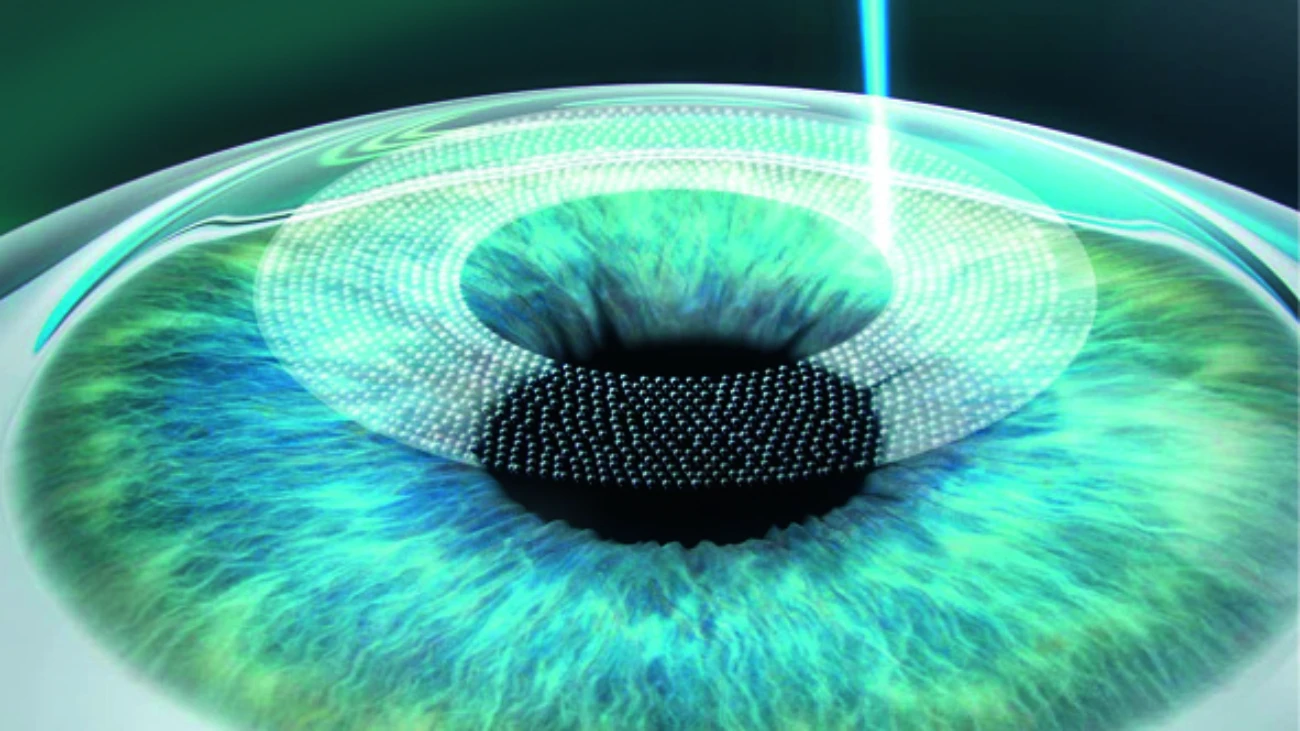
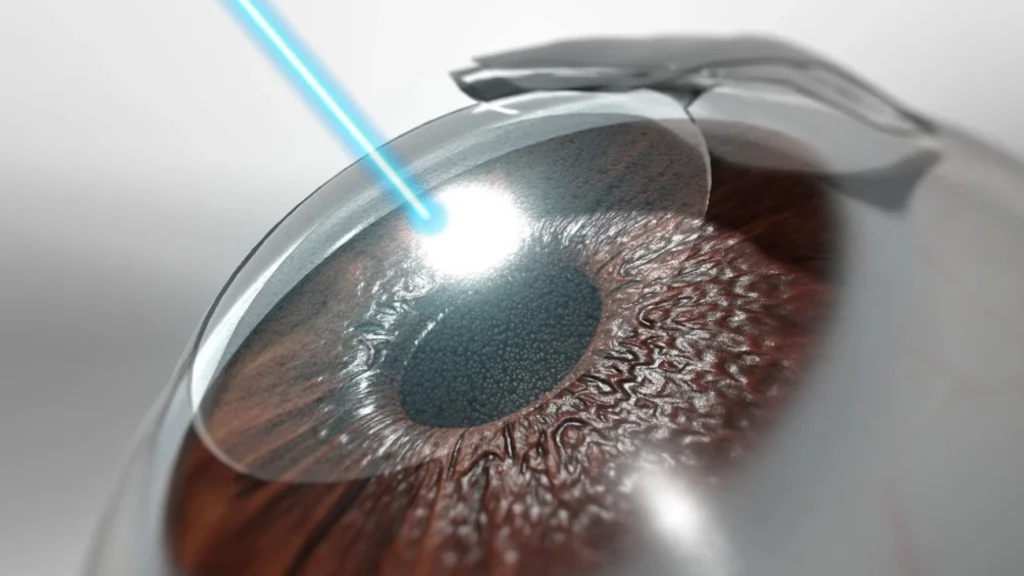
LASIK reshapes the cornea to improve how light enters the eye, reducing or eliminating the need for glasses or contact lenses.
Benefits include:
- Clearer vision
- Reduced eye strain
- Potential reduction in headache frequency
- Quick recovery time
A qualified ophthalmologist will determine whether you are a suitable candidate.
When Blurry Vision and Headaches Are a Medical Emergency
Seek immediate medical help if blurry vision and headaches occur with:
- Sudden severe headache
- Vision loss
- Difficulty speaking
- Weakness on one side of the body
- Confusion or dizziness
These symptoms may indicate a serious neurological condition requiring urgent care.
Protect Your Vision
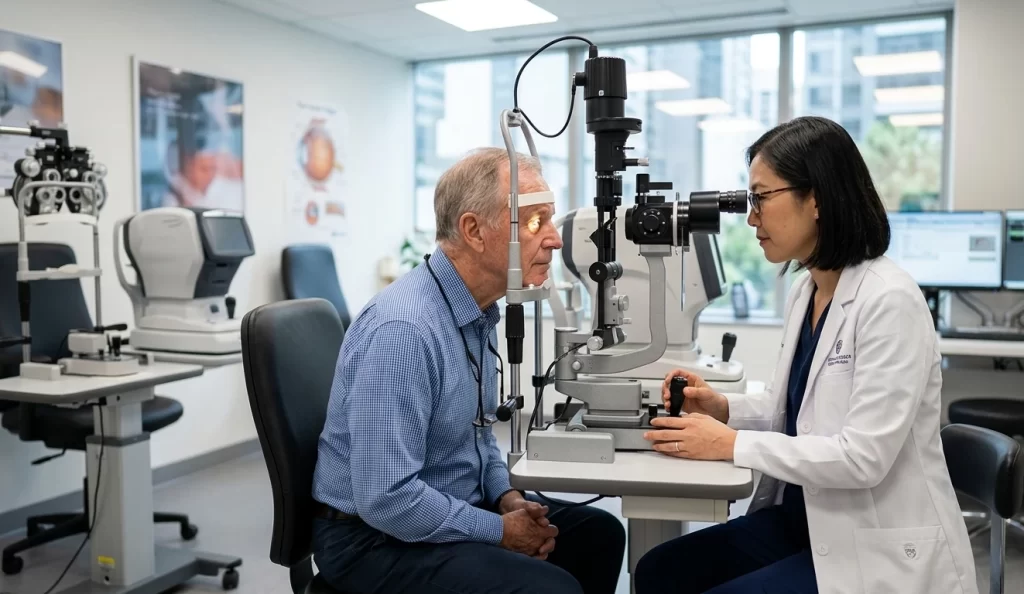
Experiencing fuzzy vision with headaches should never be ignored. While the cause may be minor, it could also signal an underlying eye or neurological condition.
Regular eye exams at a reputable eye clinic allow an ophthalmologist to detect problems early and recommend appropriate treatments — from glasses to advanced options like LASIK eye surgery.
If symptoms persist, scheduling a professional evaluation is the safest step toward protecting your long-term vision.
Understanding the Symptoms of Fuzzy Vision and Headaches
When someone experiences fuzzy vision and a headache, the symptoms can appear in several ways. Some people notice their vision becoming cloudy or out of focus, while others may see spots, flashes of light, or zigzag patterns.
The headache itself may also vary in intensity. In mild cases, it may feel like a dull ache around the temples or forehead. In more severe cases, the pain may become throbbing or pulsating.
Recognizing the symptoms early can help you decide when it’s time to visit an ophthalmologist at a trusted eye clinic.
Common symptoms associated with blurry vision and headaches include:
- Difficulty focusing on objects
- Sensitivity to light
- Eye fatigue or soreness
- Seeing halos around lights
- Temporary blind spots
- Nausea or dizziness
- Pressure around the eyes or temples
These symptoms may appear occasionally or develop gradually over time. If they become frequent or worsen, an eye examination is strongly recommended.
How Vision Problems Can Trigger Headaches
Your eyes and brain work closely together to process visual information. When your eyes struggle to focus or align properly, the brain has to work harder to interpret what you see. This extra effort can lead to headaches.
For example, people with Astigmatism or Myopia often strain their eyes to see clearly. Over time, this strain can trigger tension headaches.
Similarly, individuals with Hyperopia may experience headaches when performing close-up tasks such as reading, writing, or using a smartphone.
Eye strain-related headaches are typically felt in the:
- Forehead
- Temples
- Area around the eyes
An ophthalmologist can diagnose these refractive errors during a comprehensive eye exam and recommend the appropriate treatment.
The Role of Digital Devices in Eye Strain
Modern technology has dramatically increased the amount of time people spend looking at screens. Smartphones, laptops, tablets, and televisions all contribute to a condition known as digital eye strain.
Extended screen use forces your eyes to constantly refocus, which can cause symptoms like:
- Blurry or fuzzy vision
- Headaches
- Dry eyes
- Burning or itching sensations
- Difficulty concentrating
In addition, people tend to blink less frequently while using digital devices. Reduced blinking can cause dryness and irritation, making the symptoms even worse.
Experts recommend following the 20-20-20 rule to reduce eye strain:
- Every 20 minutes
- Look at something 20 feet away
- For at least 20 seconds
While this technique can help relieve mild symptoms, persistent blurry vision and headaches should still be evaluated at an eye clinic.
How Migraines Affect Vision
Migraines are a common neurological condition that can affect vision before or during a headache attack.
People who suffer from Migraine may experience a visual disturbance known as an aura.
Migraine aura symptoms may include:
- Flashing lights
- Zigzag lines
- Blurred or fuzzy vision
- Blind spots
- Sensitivity to light
In some cases, individuals may experience Retinal Migraine, which causes temporary vision loss in one eye.
These visual symptoms usually last less than an hour and may disappear once the migraine subsides.
However, because migraine symptoms can resemble more serious conditions, an ophthalmologist may perform additional tests to rule out other problems.
Age-Related Eye Conditions That Cause Blurry Vision
As people age, the risk of certain eye conditions increases. Some of these conditions can cause both blurry vision and headaches.
One common age-related condition is Presbyopia, which typically affects individuals over the age of 40. It causes difficulty focusing on nearby objects, making reading and other close tasks more challenging.
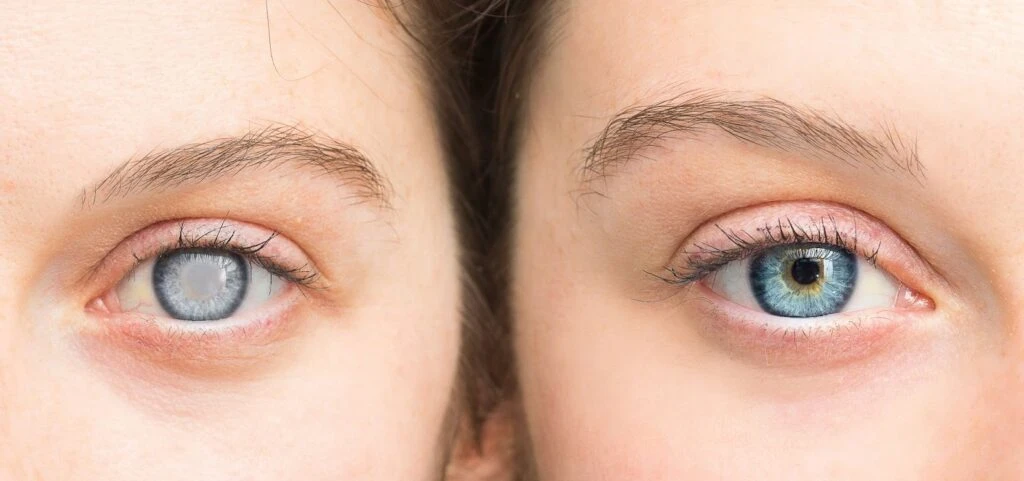
Another possible condition is Cataract, which occurs when the natural lens of the eye becomes cloudy. Cataracts may cause:
- Blurry vision
- Difficulty seeing at night
- Sensitivity to bright lights
- Halos around lights
Additionally, increased pressure within the eye caused by Glaucoma can lead to headaches, eye pain, and vision problems.
Regular eye exams are essential for detecting these conditions early and preventing permanent vision loss.
How Ophthalmologists Diagnose Blurry Vision and Headaches
If you visit an ophthalmologist because of fuzzy vision and headaches, they will typically perform a comprehensive eye examination.
This may include several diagnostic tests such as:
Vision Testing
This test measures how clearly you can see objects at different distances and helps identify refractive errors.
Eye Pressure Test
Measuring the pressure inside your eyes helps detect conditions like Glaucoma.
Retinal Examination
Your ophthalmologist may examine the retina and optic nerve to identify signs of disease or damage.
Eye Alignment Testing
This test checks whether both eyes work together properly. Misalignment can sometimes lead to headaches and blurred vision.
Visual Field Test
This test measures your peripheral vision and can detect blind spots or other abnormalities.
These diagnostic tools allow specialists at an eye clinic to determine the exact cause of your symptoms.
Treatment Options for Blurry Vision and Headaches
Treatment for fuzzy vision and headaches depends on the underlying cause. Once the condition is diagnosed, your ophthalmologist may recommend several possible solutions.
Prescription Glasses or Contact Lenses
Corrective lenses are often the simplest solution for refractive errors such as:
- Myopia
- Hyperopia
- Astigmatism
By improving how light focuses on the retina, corrective lenses reduce eye strain and prevent headaches.
Medications
If headaches are related to neurological conditions like Migraine, medications may be prescribed to relieve symptoms or prevent future attacks.
Treatment may include:
- Pain relievers
- Anti-nausea medication
- Migraine-prevention drugs
Lifestyle Changes
Simple lifestyle adjustments can often reduce symptoms significantly.
Examples include:
- Taking regular screen breaks
- Improving lighting conditions while reading
- Staying hydrated
- Getting enough sleep
- Managing stress levels
These changes can help reduce eye strain and improve overall eye health.
Can LASIK Eye Surgery Help With Blurry Vision?
For people who suffer from refractive errors, LASIK eye surgery may provide a long-term solution.
LASIK works by reshaping the cornea to improve the way light enters the eye and focuses on the retina.
This procedure is commonly used to treat:
- Myopia
- Hyperopia
- Astigmatism
Many patients choose LASIK because it can significantly reduce or eliminate the need for glasses or contact lenses.

Benefits of LASIK Eye Surgery
LASIK has become one of the most popular vision correction procedures worldwide due to its effectiveness and quick recovery time.
Potential benefits include:
- Improved vision clarity
- Reduced dependence on glasses or contacts
- Minimal discomfort during the procedure
- Fast recovery
- Long-lasting results
However, not everyone is a suitable candidate for LASIK. An experienced ophthalmologist will evaluate factors such as corneal thickness, eye health, and medical history before recommending the procedure.
Preventing Blurry Vision and Headaches
Although some conditions cannot be completely prevented, there are several ways to protect your eye health and reduce the risk of blurry vision and headaches.
Schedule Regular Eye Exams
Routine visits to an eye clinic allow ophthalmologists to detect problems early before they become serious.
Limit Screen Time
Taking regular breaks from digital devices helps reduce eye fatigue.
Maintain Good Lighting
Proper lighting while reading or working can prevent unnecessary eye strain.
Stay Hydrated
Dehydration can sometimes contribute to headaches and visual disturbances.
Protect Your Eyes
Wearing sunglasses outdoors protects your eyes from harmful ultraviolet rays that may contribute to long-term eye damage.
When to Seek Immediate Medical Attention
While blurry vision and headaches are often caused by minor issues, certain symptoms require urgent medical care.
You should seek immediate help if you experience:
- Sudden vision loss
- Severe headache that appears suddenly
- Difficulty speaking
- Numbness on one side of the body
- Confusion or dizziness
These symptoms may indicate serious conditions such as Stroke or Traumatic Brain Injury, which require emergency treatment.
The Importance of Regular Eye Exams for Overall Health
Even if you do not currently experience symptoms such as fuzzy vision or headaches, regular eye exams are an important part of maintaining overall health. Many eye conditions develop gradually and may not cause noticeable symptoms in the early stages.
Visiting an ophthalmologist at a professional eye clinic allows potential problems to be detected before they become more serious. Early diagnosis often leads to more effective treatment and helps preserve long-term vision.
Eye exams do more than simply determine whether you need glasses or contact lenses. They also allow doctors to monitor the health of the retina, optic nerve, and blood vessels in the eye. In some cases, eye exams can even reveal signs of systemic health issues such as diabetes, high blood pressure, and neurological conditions.
Because of this, eye care specialists recommend routine eye examinations even for people who believe their vision is normal.
What Happens During a Comprehensive Eye Exam
A comprehensive eye exam involves several tests designed to evaluate both vision quality and overall eye health. Understanding what happens during these examinations can help patients feel more comfortable when visiting an eye clinic.
Medical History Review
Your ophthalmologist will begin by reviewing your medical history and discussing any symptoms you may have experienced. This includes questions about headaches, blurry vision, eye strain, or sensitivity to light.
Family history is also important, as certain eye conditions can run in families.
Visual Acuity Test
This test measures how clearly you can see objects at various distances. You will typically be asked to read letters from a chart placed at a distance across the room.
The results help determine whether corrective lenses may be needed.
Refraction Test
During a refraction test, the doctor uses a device called a phoropter to determine the exact prescription required for glasses or contact lenses. Different lenses are placed in front of your eyes to find the one that provides the clearest vision.
Eye Health Evaluation
The ophthalmologist will also examine the structures inside the eye, including the retina and optic nerve. This may involve dilating the pupils with special eye drops.
This examination helps identify early signs of eye disease or other abnormalities.
How Often Should You Visit an Eye Clinic?
The recommended frequency of eye exams depends on several factors, including age, medical history, and risk of eye disease.
General guidelines include:
Children and teenagers
Children should receive their first eye exam before starting school. Regular exams help ensure that vision problems do not interfere with learning or development.
Adults under 40
Healthy adults with no vision problems should consider having a comprehensive eye exam every two years.
Adults over 40
After the age of 40, eye exams should typically occur every one to two years. This is because age-related vision changes become more common during this period.
Individuals with existing eye conditions
People who already wear glasses or contact lenses, or who have a family history of eye disease, may need more frequent visits to an ophthalmologist.
Regular checkups ensure that vision prescriptions remain accurate and that any developing conditions are identified early.
Signs That You May Need an Eye Exam
Many people wait until vision problems become severe before visiting an eye clinic. However, there are several early warning signs that indicate it may be time to schedule an appointment with an ophthalmologist.
These signs include:
- Frequent headaches
- Blurry or fuzzy vision
- Difficulty seeing at night
- Squinting to read signs or screens
- Eye fatigue after reading or computer use
- Seeing halos around lights
- Increased sensitivity to light
Even mild symptoms should not be ignored. Early evaluation can prevent small issues from developing into more serious problems.
Lifestyle Habits That Support Healthy Vision
Maintaining healthy vision involves more than simply visiting an eye clinic when problems occur. Daily habits also play a significant role in protecting your eyes.
Maintain a Balanced Diet
Nutrition is essential for eye health. A diet rich in vitamins and antioxidants supports the health of the retina and other eye structures.
Foods that are particularly beneficial include:
- Leafy green vegetables
- Fish rich in omega-3 fatty acids
- Citrus fruits
- Nuts and seeds
- Carrots and sweet potatoes
These foods contain nutrients that help maintain healthy vision and support the body’s natural defenses against eye disease.
Get Enough Sleep
Sleep is important for eye recovery and overall health. Lack of sleep can cause eye strain, dryness, and difficulty focusing.
Ensuring adequate rest allows the eyes to recover from the demands of daily activities, especially prolonged screen use.
Stay Hydrated
Dehydration can contribute to dry eyes and discomfort. Drinking sufficient water throughout the day helps maintain proper tear production and eye lubrication.
Protect Your Eyes from UV Exposure
Ultraviolet radiation from sunlight can damage the eyes over time. Wearing sunglasses that block UV rays helps protect against long-term eye damage.
Protective eyewear is especially important when spending extended time outdoors.
The Role of Eye Clinics in Preventive Eye Care
Eye clinics play a vital role in protecting public vision health. In addition to diagnosing and treating eye conditions, they provide education about preventive care and healthy vision practices.
Many clinics offer services such as:
- Comprehensive eye examinations
- Vision testing and prescription updates
- Diagnostic imaging of the retina
- Screening for eye diseases
- Consultation for vision correction procedures
These services allow ophthalmologists to identify potential problems early and recommend appropriate treatment.
Patients who maintain regular visits to an eye clinic are more likely to preserve clear vision throughout their lives.
Preparing for Your Eye Clinic Appointment
If you are planning to visit an ophthalmologist, there are a few simple steps that can help ensure your appointment is as productive as possible.
Before your appointment:
- Make a list of any vision symptoms you have experienced
- Bring your current glasses or contact lenses
- Write down any medications you are taking
- Note any family history of eye disease
- Prepare questions you would like to ask your doctor
Providing this information helps the ophthalmologist better understand your eye health and recommend the most appropriate treatment options.
The Future of Vision Care
Advances in technology continue to improve the way ophthalmologists diagnose and treat eye conditions. Modern eye clinics now use sophisticated imaging tools and laser technologies that allow doctors to detect problems earlier and perform treatments with greater precision.
Vision correction procedures such as LASIK eye surgery have also evolved significantly over the years. Today’s techniques offer improved accuracy, faster recovery times, and highly predictable outcomes.
As research and innovation continue to progress, patients can expect even more effective solutions for maintaining healthy vision.