



What is Dry Eye?
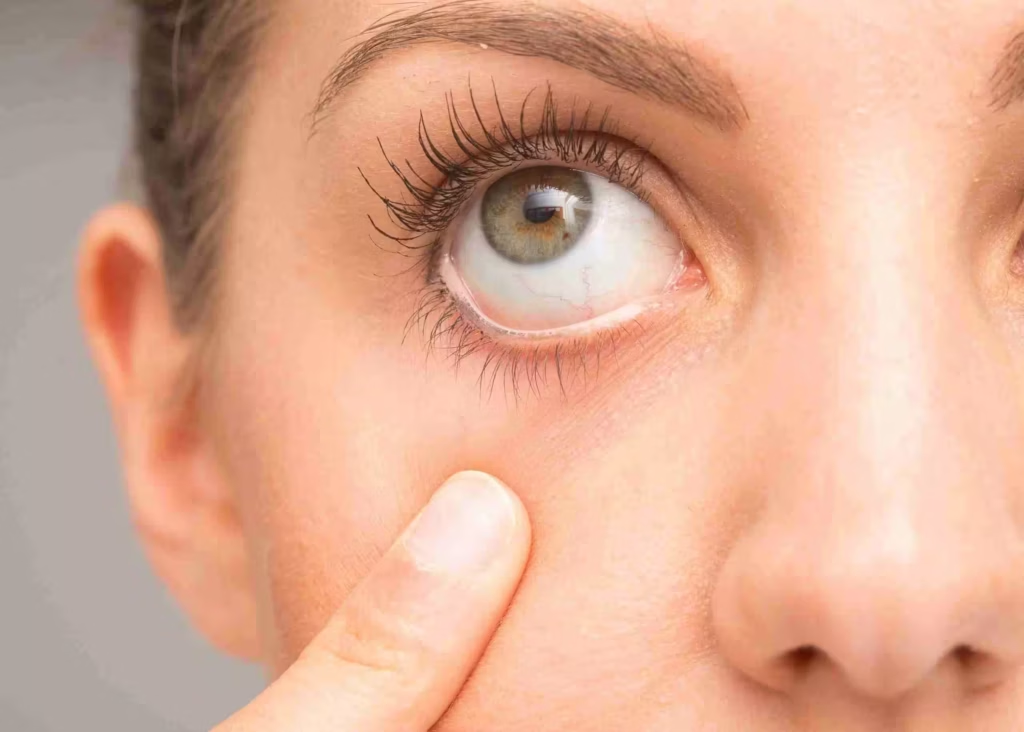
Dry eye syndrome, also known as Keratoconjunctivitis Sicca, is a common but often debilitating condition. It occurs when the eyes do not produce enough tears or when the tears evaporate too quickly, leaving the eyes feeling irritated, uncomfortable, and potentially affecting your vision. If you’re experiencing symptoms like burning, redness, or constant dryness in your eyes, you’re not alone. Many people struggle with dry eyes, but the good news is that with proper diagnosis and treatment, relief is possible.
At our Eye Clinic in Dubai, we specialize in treating dry eyes using the latest technologies and personalized care plans to bring comfort back to your vision. Our experts work closely with you to develop a treatment plan that best addresses your unique needs, whether it’s for mild discomfort or severe dry eye symptoms.
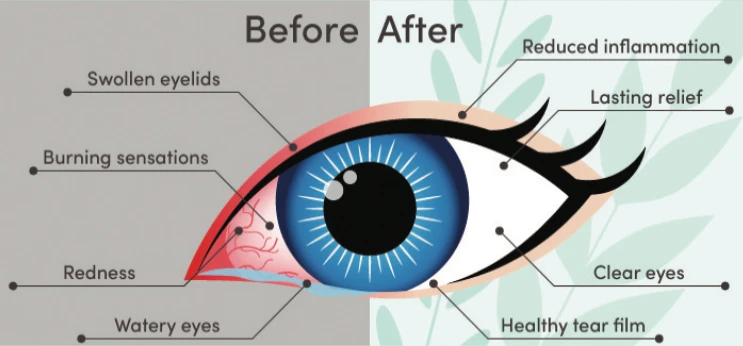
It occurs when the eyes cannot produce enough tears or when the quality of the tears produced is insufficient. Your tear film, made up of three layers—lipid, aqueous, and mucous—serves as a protective shield, keeping your eyes moist, comfortable, and well-lubricated. When this film is disrupted, it can lead to a range of uncomfortable symptoms.
Common symptoms include:
Burning or stinging sensations
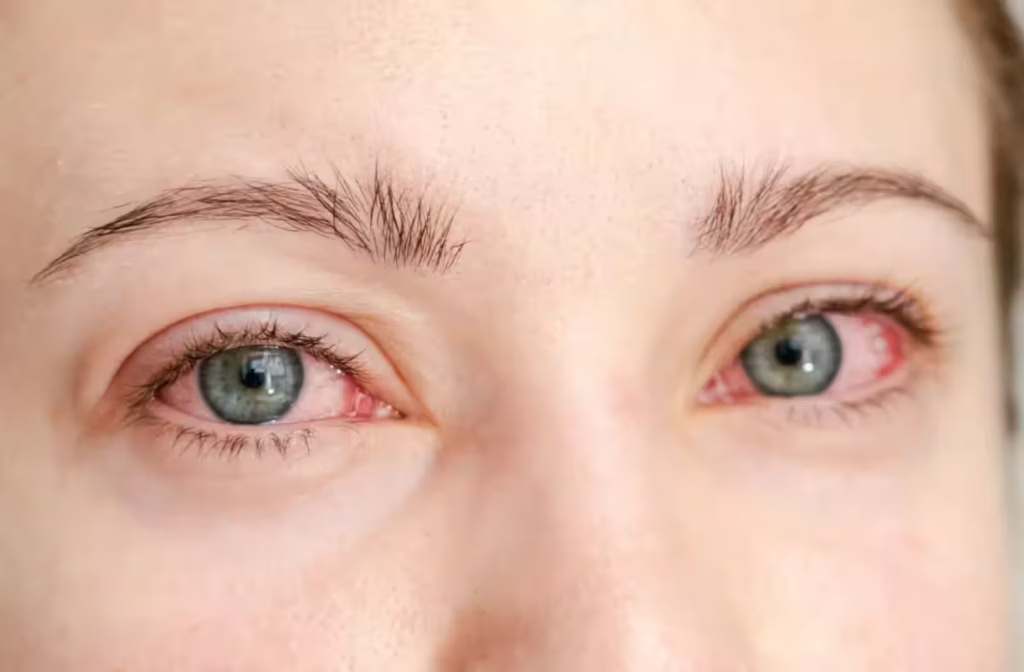
Redness in the eyes
Itchiness and irritation
A gritty or sandy feeling
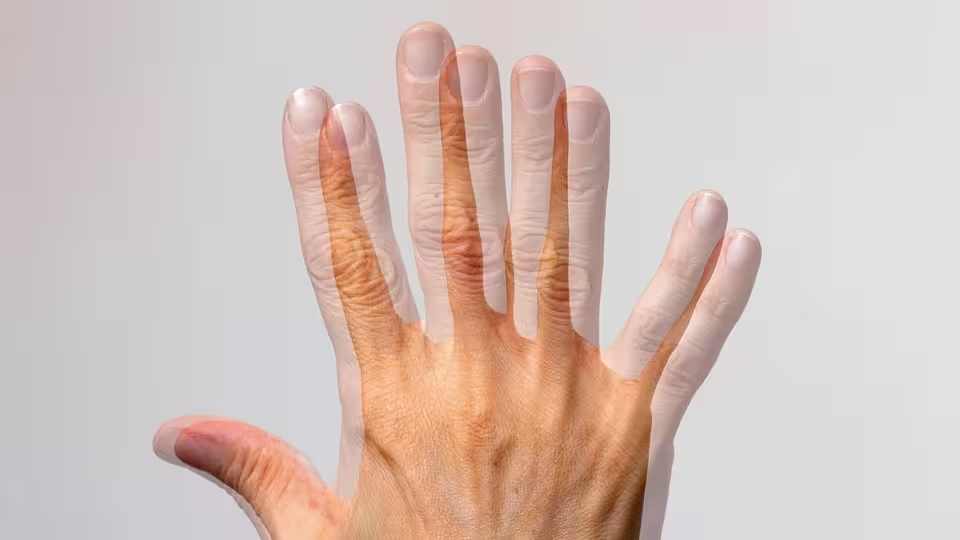
Blurry vision
Excessive tearing (watery eyes), which is often the body’s response to dryness
These symptoms can worsen if left untreated, leading to more severe issues like corneal damage or vision impairment.
Common Causes of Dry Eyes
There are many factors that can contribute to dry eye syndrome, some of which are beyond your control, while others can be managed with the right approach. Common causes include:
Aging: As we get older, the glands responsible for producing tears tend to become less efficient, which can lead to dryness.
Environmental Factors: Dry, windy, or air-conditioned environments, as well as exposure to smoke or pollution, can exacerbate dryness in the eyes.
Medications: Some medications, including antihistamines, decongestants, and certain blood pressure drugs, can reduce tear production.
Health Conditions: Conditions like blepharitis, Sjögren’s syndrome, rheumatoid arthritis, and thyroid disease can increase the risk of developing dry eyes.
Contact Lens Use: Extended wear of contact lenses can significantly dry out the eyes.
Surgery: Eye surgeries such as LASIK or cataract surgery may lead to temporary or long-term dry eye symptoms.
Hormonal Changes: Pregnancy, menopause, and the use of birth control pills can also affect tear production.
How to Recognize the Condition
The symptoms of dry eyes can vary from person to person, but some common signs to look out for include:
Burning or stinging sensation: A persistent irritation in your eyes that feels like something is in them.
Red, swollen eyes: The eyes become inflamed and appear irritated.
Blurry vision: This can occur because dry eyes affect the clarity of the tear film, leading to inconsistent focus.
Sensitivity to light: You may become more sensitive to bright lights or even experience discomfort in regular lighting conditions.
Excessive tearing: Ironically, watery eyes can result from dry eyes due to excessive tear production in an attempt to relieve the dryness.
If you experience any of these symptoms regularly, it is essential to seek a professional diagnosis and start treatment as soon as possible to prevent worsening discomfort and potential complications.
Diagnosis of Dry Eyes
At our clinic, we use a variety of advanced diagnostic tests to determine the cause and severity of dry eye symptoms. These include:
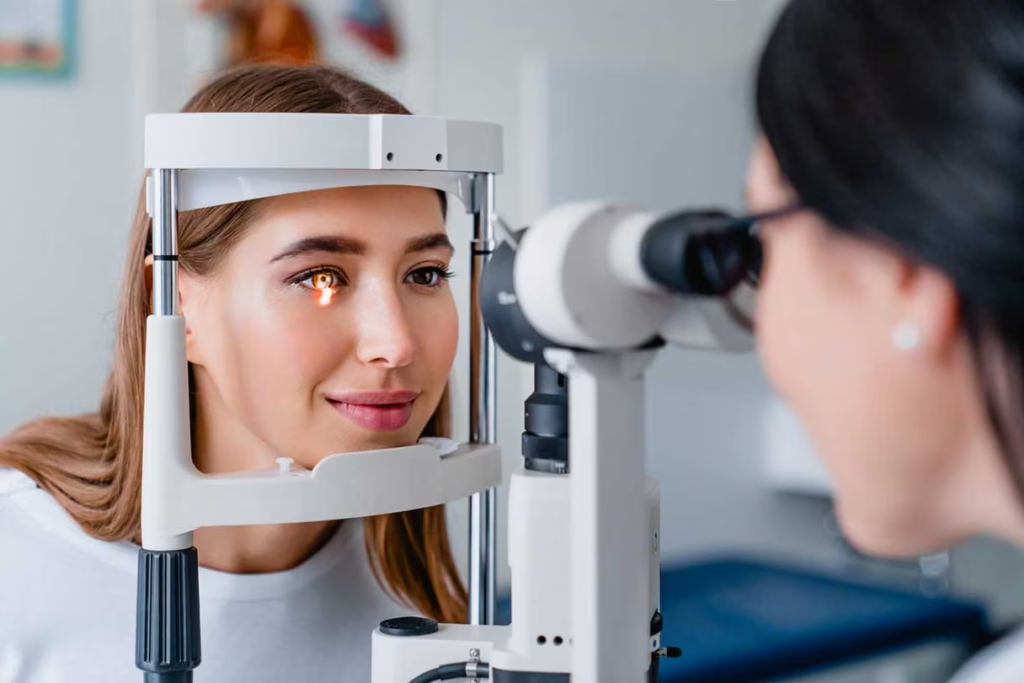
Comprehensive Eye Examination: A thorough eye exam helps us understand your overall eye health and determine the underlying cause of your symptoms.
Schirmer’s Test: This test measures how much moisture your eyes produce by placing blotting strips under your eyelids and measuring the moisture collected.
Tear Break-Up Time Test: We assess how quickly your tears evaporate and if they maintain a stable film over your cornea.
Phenol Red Thread Test: A thread is placed in your eyes to measure tear production and quality.
These tests help us tailor a personalized dry eye treatment plan for you, addressing both the root cause and the symptoms of your condition.
Effective Treatments for Dry Eyes
There are several treatment options available to manage dry eye syndrome effectively. Depending on the severity and underlying cause of your dry eye symptoms, our specialists will work with you to determine the most appropriate course of action. Common treatment options include:
Over-the-Counter Treatments
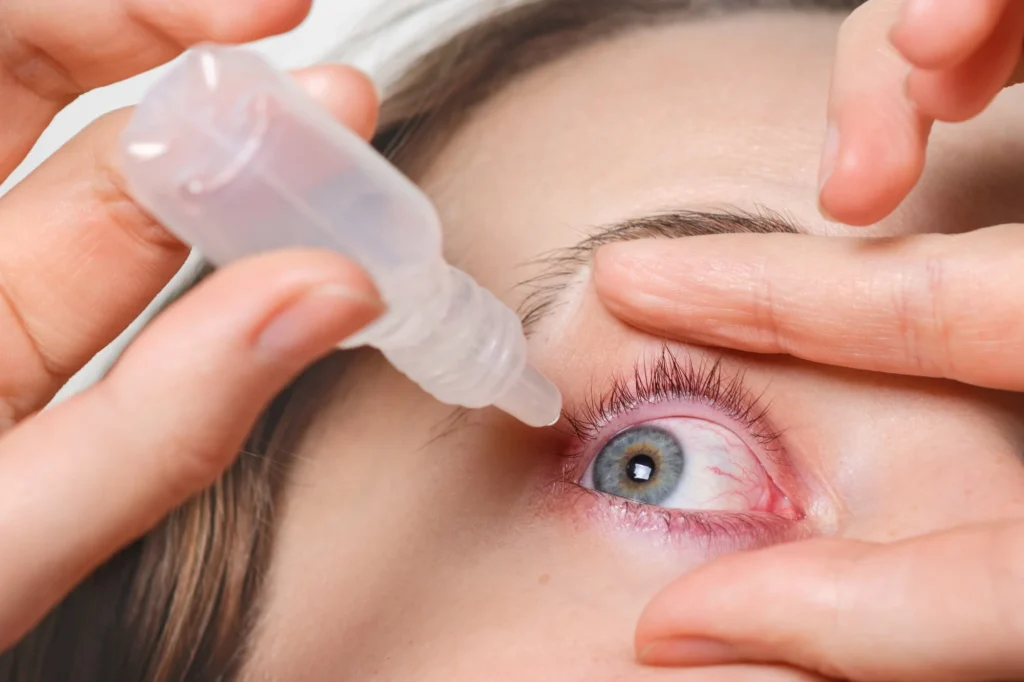
For mild cases of dry eyes, artificial tears or lubricating eye drops are often the first line of treatment. These drops provide temporary relief by moisturizing the eyes and restoring the tear film. However, for more persistent dryness, additional treatments may be required.
Prescription Medications
If over-the-counter treatments don’t provide adequate relief, prescription eye drops like Restasis (cyclosporine A) or Xiidra (lifitegrast) may be recommended. These medications help reduce inflammation in the eye and promote tear production.
Punctal Plugs
Punctal plugs are small devices inserted into the tear ducts to block the drainage of tears from your eyes, helping to retain moisture. This is a highly effective and long-term solution for those who suffer from chronic dry eyes.
E-Eye Treatment (Intense Regulated Pulsed Light Therapy)
One of the most innovative treatments for dry eyes caused by Meibomian Gland Dysfunction (MGD) is the E-Eye Treatment. This non-invasive procedure uses IRPL (Intense Regulated Pulsed Light) technology to target the glands under your eyes and release blocked oils that are essential for tear production. The treatment also reduces inflammation and provides long-lasting relief from dry eye symptoms.
LipiFlow® System
The LipiFlow® System is an FDA-approved treatment that combines heat and gentle massage to unblock the meibomian glands and restore oil secretion. This procedure is typically completed in 12 minutes per eye and can help manage dry eye syndrome by improving the tear film stability.
BlephEx® Treatment
For individuals with Blepharitis or Meibomian Gland Dysfunction, BlephEx® is a revolutionary treatment that uses a medical-grade micro-sponge to cleanse the eyelids and remove the bacteria, debris, and biofilm that contribute to dry eyes. This quick and painless procedure helps improve eyelid health and tear production.
Environmental and Lifestyle Adjustments
Lifestyle changes can also play a critical role in managing dry eyes. Reducing exposure to environmental triggers such as air conditioning, wind, or smoke is essential. Using a humidifier, wearing sunglasses outdoors, and taking frequent breaks from screen time can all help alleviate dry eye symptoms. Additionally, omega-3 fatty acid supplements have been shown to improve tear production and reduce inflammation in some patients.
Great External Resources
Frequently Asked Questions (FAQs)
Why do dry eyes occur in winter?
During winter, the air tends to be much drier, which leads to quicker evaporation of the tear film on your eyes. Central heating systems, cold winds, and lower humidity levels can all contribute to dryness and irritation, making winter months particularly challenging for people with dry eye syndrome.
What causes dry eyes?
Dry eyes occur when your eyes don’t produce enough tears or when the tears evaporate too quickly. This can be due to various factors such as aging, environmental conditions (like wind or smoke), prolonged screen time, certain medications, or underlying health conditions such as autoimmune disorders or Meibomian gland dysfunction.
Why are my eyes dry in the morning?
Morning dryness often occurs because your eyes are closed for several hours during sleep, and tear production slows down. If you have an issue with your meibomian glands (which produce the oily layer of your tears), the tear film can break down overnight, leading to dryness when you wake up. This is especially common in individuals who suffer from blepharitis or sleep apnea.
What are the main causes of dry eyes?
The main causes of dry eyes are reduced tear production or increased tear evaporation. Conditions such as Meibomian Gland Dysfunction (MGD), blepharitis, environmental factors (like air conditioning or smoke), and certain medications (like antihistamines and antidepressants) can contribute to this. In some cases, autoimmune diseases (such as Sjögren’s Syndrome) or hormonal changes may also play a role.
When should I worry about dry eyes?
You should be concerned about dry eyes if you experience frequent discomfort, blurred vision, or redness that doesn’t improve with over-the-counter lubricating drops. If your symptoms persist or worsen, or if you notice signs of infection or significant vision impairment, it’s important to seek medical advice. Prolonged dry eyes can lead to damage to the surface of your eyes if left untreated.
What should I do if I have dry eyes?
If you have dry eyes, the first step is to use over-the-counter artificial tears or lubricating eye drops to provide temporary relief. It’s also important to reduce environmental triggers, such as smoke and dry air, and take regular breaks from activities like computer use. If symptoms persist, consult with an eye specialist to find a personalized treatment plan, which may include prescription medications, punctal plugs, or more advanced therapies.
When are dry eyes dangerous?
Dry eyes become dangerous if left untreated for an extended period, leading to potential damage to the surface of the eye, including corneal scarring and vision problems. In severe cases, untreated dry eyes can lead to infections or ulcers, which may impair your vision. If you’re experiencing chronic dryness, pain, or blurred vision, it’s important to seek medical attention.
Why does my vision get blurry when my eyes are dry?
Blurry vision is common when you have dry eyes because the tear film that covers your eyes becomes unstable. This film is essential for clear vision, and when it’s compromised, the light entering your eyes is refracted unevenly, leading to blurred or fluctuating vision. Restoring proper lubrication through artificial tears or other treatments can help clear this up.
How do dry eyes happen?
Dry eyes occur when the tear production is insufficient, or the tears evaporate too quickly. Tears have three layers: water, oil, and mucus. If any of these layers are not functioning properly—whether due to reduced tear production or poor quality oils—it leads to dryness, irritation, and discomfort. Conditions such as Meibomian Gland Dysfunction, blepharitis, or environmental factors often cause this imbalance.
Can dry eyes be a symptom of menopause?
Yes, dry eyes can be a symptom of menopause due to hormonal changes. During menopause, the body experiences a drop in estrogen and progesterone levels, which can reduce tear production. This is why many women report experiencing dry eye symptoms during or after the transition to menopause. Managing these symptoms may involve using artificial tears, adjusting lifestyle habits, or exploring more advanced treatments.
Are dry eyes curable?
Dry eyes are typically a chronic condition that can be managed but not always cured. The goal of treatment is to alleviate symptoms and improve the quality of tears. While you may not be able to fully “cure” dry eyes, you can significantly reduce discomfort and improve eye health with the right treatment plan, which may include lubricating eye drops, prescription medications, lifestyle changes, or medical procedures like punctal plugs or thermal pulsation therapy.