Quick Links
- What Is Presbyopia?
- What Is Age-Related Near Vision Loss?
- Common Symptoms of Presbyopia
- Why Does Presbyopia Happen?
- Presbyopia vs. Other Vision Conditions
- How Is Presbyopia Diagnosed?
- Causes of Presbyopia
- Presbyopia Treatment Options
- Eyewear for Age-Related Near Vision Loss
- Contact Lenses for Presbyopia Treatment
- Prescription Eye Drops for Presbyopia
- Surgical Presbyopia Treatment Options
- Which Presbyopia Treatment Is Right for You?
- Can Presbyopia Be Prevented?
- When Should You Seek Evaluation?
- What to Expect After Treatment
- Living with Presbyopia
- Advanced Insights into Presbyopia and Its Management
- Great External Resources
- Frequently Asked Questions (FAQs)
What Is Presbyopia?
Presbyopia is the gradual loss of the eye’s ability to focus on nearby objects. It occurs as part of the normal aging process when the natural lens inside the eye becomes thicker and less flexible.
When you’re younger, your lens easily changes shape to focus on both near and distant objects. Over time, the lens stiffens and cannot adjust as effectively. As a result, light no longer focuses properly on the retina when viewing close objects, leading to blurred near vision.
Unlike nearsightedness (myopia) or farsightedness (hyperopia), presbyopia is not caused by the shape of the eye. Instead, it’s caused by age-related changes within the lens itself.
What Is Age-Related Near Vision Loss?
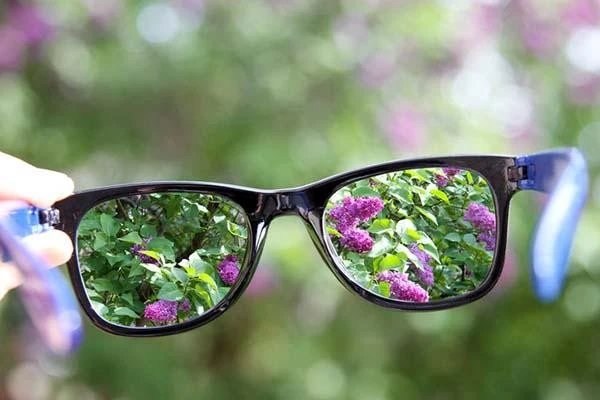
Age-related near vision loss is the everyday term for presbyopia. It refers specifically to the difficulty seeing objects up close due to natural aging changes in the eye.
Most people begin noticing symptoms between ages 40 and 45. The condition typically progresses until around the mid-60s, at which point it stabilizes.
Presbyopia is not a disease — it is a universal, predictable change that affects nearly everyone as they age.
Common Symptoms of Presbyopia
You may benefit from treatment if you experience:
Blurred vision at normal reading distance
Holding books or phones at arm’s length to see clearly
Increased need for brighter light when reading
Eye strain or fatigue after close work
Headaches from reading or computer use
Difficulty threading a needle or performing detailed tasks
Symptoms are often more noticeable when you’re tired or in low-light environments.
If you are over 40 and noticing any of these signs, a comprehensive eye examination can confirm whether age-related near vision loss is the cause.
Why Does Presbyopia Happen?
To understand presbyopia, it helps to think of the eye like a camera.
The cornea (the clear front surface of the eye) bends incoming light.
The lens changes shape to fine-tune focus.
Light then lands on the retina, allowing you to see clearly.
In youth, the lens is soft and flexible. A tiny circular muscle surrounding the lens adjusts its shape so you can quickly switch focus between far and near objects — a process called accommodation.
As you age:
New layers of cells form within the lens.
The lens becomes thicker and less elastic.
It loses the ability to change shape efficiently.
Near focus becomes increasingly difficult.
This gradual loss of flexibility leads to age-related near vision loss.
Presbyopia vs. Other Vision Conditions
It’s common to wonder how presbyopia differs from other refractive errors.
Presbyopia vs. Farsightedness (Hyperopia):
Both can cause blurry near vision. However, hyperopia is related to the eye’s shape, while presbyopia is caused by lens aging.
Presbyopia vs. Nearsightedness (Myopia):
Nearsighted individuals see close objects clearly but struggle with distance vision. However, once over 40, even people with myopia may develop presbyopia and require adjusted prescriptions.
It’s also possible to have presbyopia along with astigmatism, myopia, or hyperopia — which is why personalized treatment is important.
How Is Presbyopia Diagnosed?
A comprehensive eye exam is the first step in determining the best treatment.
During your visit, we will:
Evaluate your visual acuity at different distances
Perform a refraction assessment
Examine the health of your eyes
Assess for additional conditions such as glaucoma, macular degeneration, or diabetic eye disease
Because blurred near vision can sometimes indicate other medical conditions, professional evaluation is essential.
Causes of Presbyopia
Presbyopia is a natural part of aging, typically noticeable in people over 40. It occurs when the lens inside the eye gradually becomes less flexible, making it harder to focus on close objects. This is why reading a book, looking at your smartphone, or threading a needle can suddenly feel challenging. Presbyopia is a type of age-related near vision loss, and while it cannot be prevented or reversed, its effects can be effectively managed through proper presbyopia treatment.
Many people first notice presbyopia when they need to hold reading materials at arm’s length to see them clearly. Over time, the inability to focus up close can cause eye strain, headaches, and fatigue, especially during prolonged near tasks. It is important to consult an eye specialist as soon as symptoms appear, because early diagnosis ensures the most effective correction and comfort.
Presbyopia Treatment Options
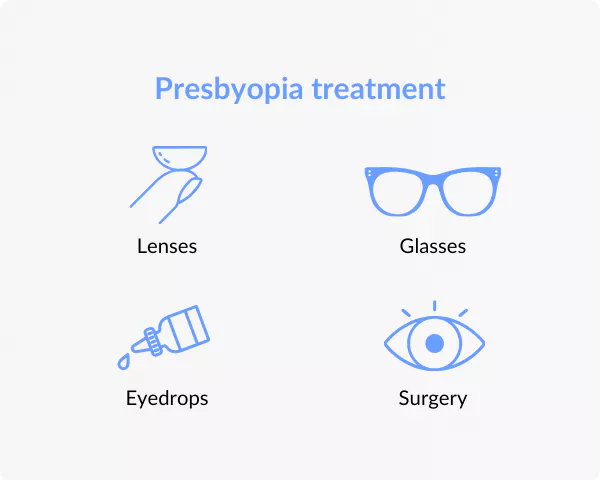
There are multiple ways to manage it, depending on lifestyle, vision needs, and personal preference:
Eyeglasses
Reading glasses, bifocals, trifocals, and progressive lenses are the most common corrective options. Progressive lenses are popular because they provide a smooth transition between near and far vision without visible lines.
Contact Lenses
Multifocal or monovision contact lenses allow the eyes to focus at multiple distances. With monovision, one eye is corrected for distance and the other for near vision, while multifocal lenses have zones for near and far vision in the same lens.
Surgery
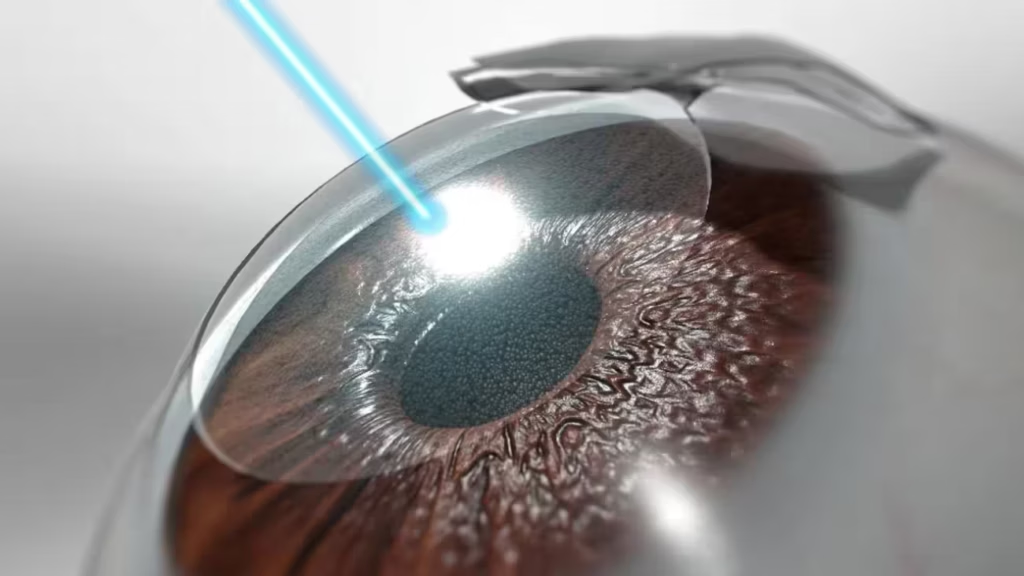
Surgical procedures, including LASIK, PresbyLASIK, or lens replacement surgeries, are options for those seeking independence from glasses or contacts. Laser procedures reshape the cornea for improved near vision, while lens implants replace the eye’s natural lens to restore flexibility.
Eye Drops
Recently approved eye drops can temporarily improve near vision by adjusting pupil size and enhancing depth of focus. These drops are convenient for people seeking a non-surgical solution.
Eyewear for Age-Related Near Vision Loss
Eyeglasses remain the most common and reliable treatment.
Ideal for individuals who do not require distance correction. Reading glasses are worn only during close work such as:
Reading
Computer use
Sewing
Writing
They can be purchased over-the-counter or prescribed for optimal clarity.
Bifocal Lenses
Bifocals contain two prescriptions in one lens:
Upper portion: distance vision
Lower portion: near vision
A visible line separates the two zones.
Trifocal Lenses
Trifocals add a third zone for intermediate distances, such as computer screens.
Progressive Addition Lenses (PALs)
Progressive lenses provide a gradual transition between distance, intermediate, and near prescriptions without visible lines. Many patients prefer this option for its seamless visual experience and cosmetic appearance.
Office Progressives
Designed specifically for desk work, these lenses optimize intermediate and near distances and are ideal for professionals who spend long hours on computers.
Contact Lenses for Presbyopia Treatment
Many patients prefer contact lenses for convenience and cosmetic reasons.
Multifocal Contact Lenses
These lenses provide multiple focusing zones within one lens, allowing vision at various distances.
Bifocal Contact Lenses
Designed with distinct zones for near and far vision.
Monovision Contact Lenses
One eye is corrected for distance, the other for near vision. The brain adapts over time to use each eye appropriately.
Modified Monovision
Combines monovision with multifocal technology for enhanced clarity.
Prescription Eye Drops for Presbyopia
New FDA-approved eye drops are available as a non-surgical treatment option.
These drops work by temporarily reducing pupil size, increasing depth of focus and improving near vision.
Benefits include:
Non-invasive treatment
Quick onset
Several hours of improved near clarity
However, they are not suitable for everyone. A thorough consultation is necessary to determine candidacy.
Surgical Presbyopia Treatment Options
For patients seeking long-term reduction in dependence on glasses, surgical options may be considered.
LASIK can reshape the cornea so:
One eye focuses on distance
The other focuses on near
This approach mimics monovision contact lenses.
An alternative to LASIK, PRK reshapes the cornea without creating a flap. Suitable for patients with thinner corneas.
A minimally invasive laser procedure that corrects refractive errors using a small incision.
Which Presbyopia Treatment Is Right for You?
Choosing the right treatment depends on:
Your age
Eye health
Lifestyle needs
Career demands
Hobbies
Desire for surgical vs. non-surgical correction
Some patients are comfortable with reading glasses. Others prefer the convenience of surgical correction. Our role is to provide education, guidance, and individualized care so you can make a confident decision.
Can Presbyopia Be Prevented?
It cannot be prevented because it is part of the natural aging process. However, maintaining overall eye health can support long-term vision.
We recommend:
Wearing UV-protective sunglasses
Eating nutrient-rich foods (vitamins A, C, E, lutein)
Managing systemic conditions like diabetes and hypertension
Scheduling regular comprehensive eye exams
When Should You Seek Evaluation?
You should schedule an eye exam if:
Blurred near vision interferes with daily activities
You experience frequent headaches during close work
You notice sudden changes in vision
You see flashes, floaters, or distortion
While age-related near vision loss is common, similar symptoms may signal other eye conditions that require immediate attention.
What to Expect After Treatment
Most patients adapt quickly to their chosen presbyopia treatment. Some options, like monovision, may require a short adjustment period as the brain learns to interpret visual input.
Vision changes typically continue gradually until around age 60–65, after which near vision stabilizes.
Regular follow-up visits ensure your prescription remains optimized.
Living with Presbyopia
Presbyopia is inevitable with age, but it does not have to reduce quality of life. With proper correction, you can comfortably perform everyday activities like reading, sewing, or using digital devices. Regular eye exams after age 40 are essential to monitor vision changes and update prescriptions as needed.
Protecting eye health through a balanced diet, good lighting, and UV protection may not prevent presbyopia, but it supports overall eye comfort and reduces the risk of other age-related eye conditions.
Advanced Insights into Presbyopia and Its Management
While it is a natural part of aging, the degree to which it affects daily life can vary widely among individuals. Factors such as genetics, overall eye health, and previous vision conditions like nearsightedness or farsightedness can influence how quickly age-related near vision loss progresses. People with pre-existing vision issues may notice symptoms earlier or require more complex correction strategies.
Modern Presbyopia Treatments
Recent advancements in eye care have expanded the options available for treatment. Beyond traditional glasses and contact lenses, surgical solutions now provide long-term alternatives. LASIK, for example.
Additionally, innovative eye drop therapies have emerged. FDA-approved drops such as pilocarpine temporarily adjust the pupil size, enhancing the eye’s ability to focus up close. These non-surgical treatments are particularly beneficial for patients who are not ready or do not want surgical intervention.
Lifestyle and Visual Comfort Tips
Even with treatment, managing it effectively involves adopting habits that reduce strain and maintain eye comfort. Proper lighting is essential for close-up work, as dim light can exacerbate age-related near vision loss. Regular breaks during reading or computer work help prevent eye fatigue. Maintaining overall eye health through a diet rich in antioxidants, vitamins A, C, and E, and omega-3 fatty acids supports long-term vision quality. Sunglasses with UV protection can protect the eyes from further damage caused by sunlight, which may indirectly influence visual clarity over time.
Choosing the Right Approach
Selecting the best treatment requires a personalized approach. Eye specialists evaluate factors such as lifestyle, occupation, and visual preferences to recommend solutions that balance convenience and effectiveness. Some patients may benefit most from progressive lenses for daily use, while others may prefer multifocal contacts or surgical correction. Regular eye exams remain crucial, allowing timely adjustments to prescriptions and early detection of other age-related eye conditions such as cataracts or glaucoma.
By combining modern treatment options with lifestyle strategies, individuals experiencing presbyopia can maintain clear near vision, minimize discomfort, and enjoy everyday activities with confidence.
Emerging Research and Future Directions
Ongoing research is exploring innovative solutions that could further improve near vision. Scientists are investigating injectable lens materials that could restore the flexibility of the eye’s natural lens, potentially reducing reliance on glasses or surgery. Other studies focus on advanced laser techniques to enhance the eye’s ability to accommodate at multiple distances. These developments offer hope for patients seeking long-term, minimally invasive solutions for age-related near vision loss.
Great External Resources
Frequently Asked Questions (FAQs)
Can presbyopia be corrected?
Yes, through eyeglasses, contact lenses, surgery, or eye drops, which improve near vision and restore comfort for everyday tasks.
Can presbyopia be cured or reversed?
No, it is a natural age-related change. While treatments can correct vision, the lens itself cannot regain its youthful flexibility.
Can presbyopia be reversed?
Currently, it cannot be reversed, as it results from the lens of the eye losing flexibility with age. Treatments focus on improving vision rather than restoring the natural lens.
Can presbyopia be prevented?
No, but maintaining eye health and having regular exams helps detect changes early and prevents strain or discomfort.
Can presbyopia cause headaches or dizziness?
Yes, eye strain from attempting to focus on near objects can cause headaches, fatigue, and occasional dizziness.
Can presbyopia be corrected with LASIK?
Yes, certain types of LASIK or laser vision correction procedures, such as monovision LASIK, can help manage it by adjusting one eye for near vision and the other for distance.
Can presbyopia be corrected with contact lenses?
Yes, multifocal or monovision contact lenses are commonly used to correct it and allow clear vision at different distances.
How is presbyopia corrected?
Eyeglasses (progressive, bifocal, reading), multifocal or monovision contact lenses, laser procedures like LASIK, or lens implants can correct presbyopia. Eye drops are also available for temporary improvement.
How does presbyopia occur?
It happens as the lens in the eye loses elasticity with age, making it harder to focus on close-up objects. This typically starts around age 40.