

Quick Links
- What Is Diplopia?
- What Does Double Vision Look Like?
- Causes of Double Vision
- Symptoms of Diplopia
- Diagnosis of Double Vision
- Treatment Options for Diplopia
- Diplopia and Strabismus
- When to Seek Medical Help
- Living With Double Vision
- When Your Vision Feels Misaligned
- Great External Resources
- We’re Here to Support Your Vision
- Frequently Asked Questions (FAQs)
What Is Diplopia?
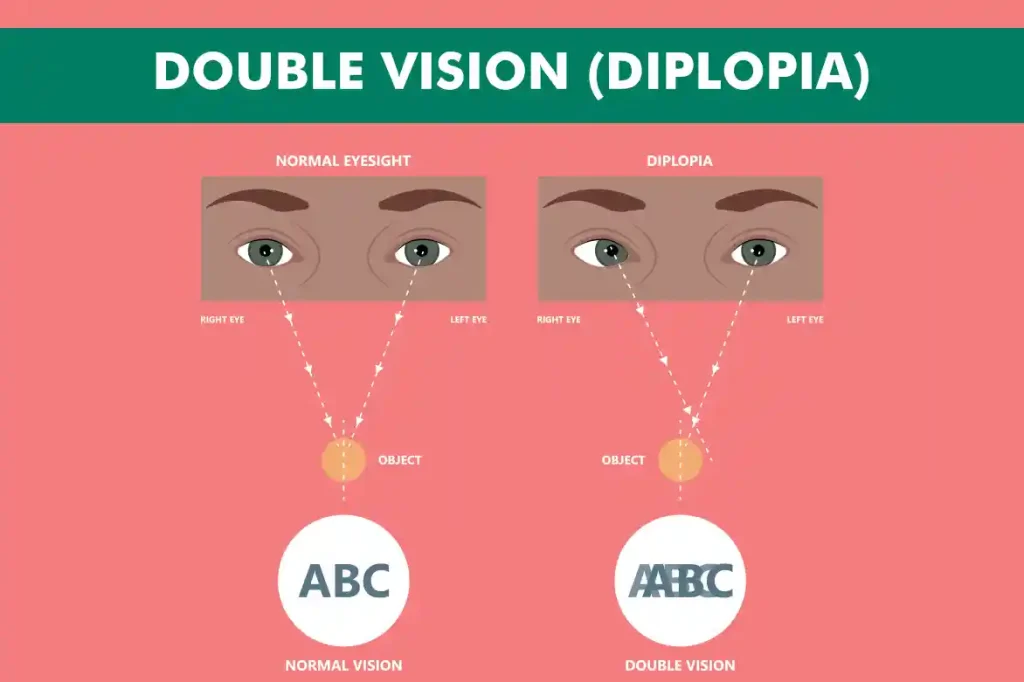
Diplopia, or double vision, occurs when a person sees two images of a single object. It can affect one eye (monocular diplopia) or both eyes (binocular diplopia).
Monocular Diplopia: occurs in only one eye. The other eye can see normally. This is often due to problems within the affected eye, such as issues with the cornea or lens.
Binocular Diplopia: occurs only when both eyes are open. This usually results from misalignment of the eyes, nerve problems, or muscle disorders that prevent the eyes from working together properly.
It can affect daily life in many ways. It can make it difficult to focus on objects, read, drive, or perform routine activities. In some cases, it may be a symptom of a more serious condition requiring urgent attention.
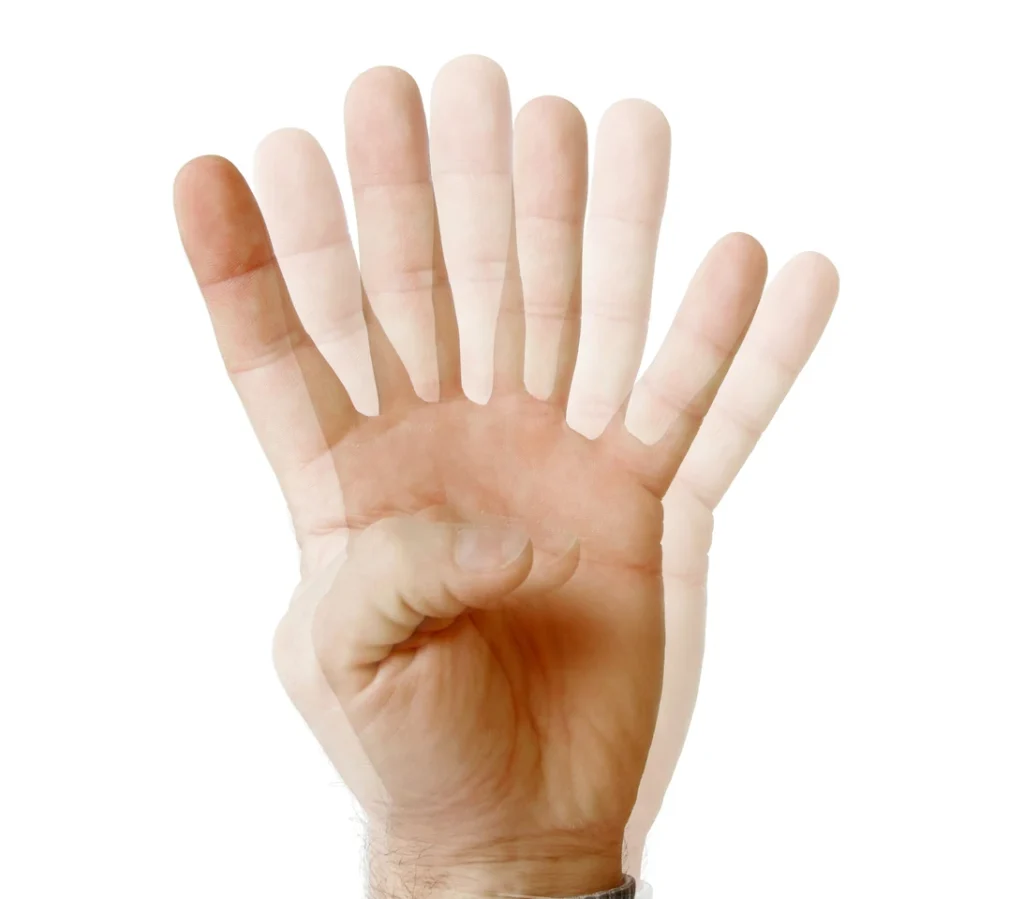
What Does Double Vision Look Like?
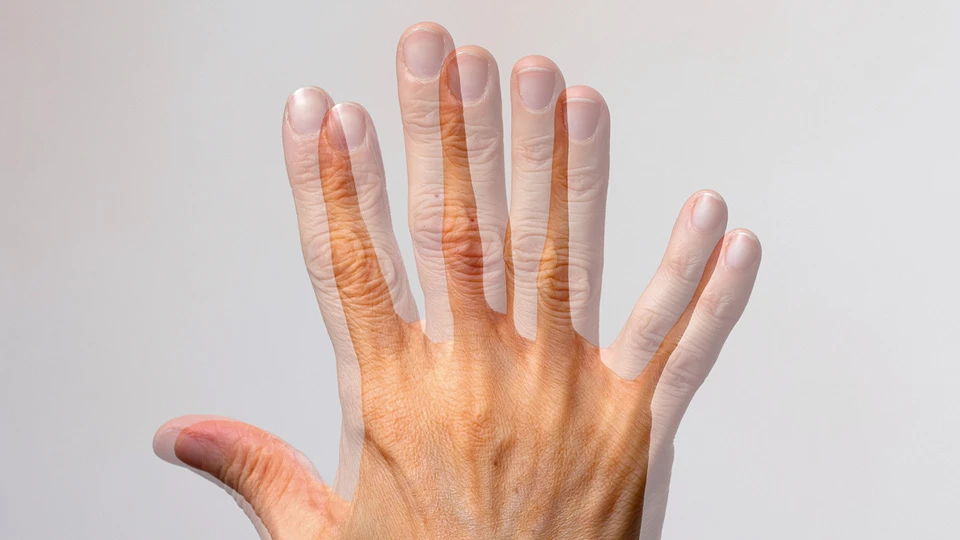
One image may appear dominant or clearer, while the other may look faint, blurry, or slightly offset. The appearance of double vision varies based on its type and cause:
Horizontal diplopia: Images appear side by side.
Vertical diplopia: Images appear stacked on top of each other.
Oblique diplopia: Images are diagonally separated.
Torsional diplopia: Images appear rotated or tilted relative to each other.
The duration can also differ:
Temporary: Lasts for a short period and resolves on its own.
Intermittent: Comes and goes at unpredictable times.
Constant: Present all the time.
Causes of Double Vision
It is always caused by an underlying factor. Causes can range from mild and temporary to serious and urgent. They generally fall into three categories: lifestyle, eye-related, and neurological or systemic.
Lifestyle Factors
Certain everyday behaviors can trigger it temporarily:
Excessive alcohol consumption
Eye strain from prolonged screen use or reading
Fatigue or lack of sleep
Side effects of medications
In these cases, rest and reducing eye strain may resolve the symptoms. However it should always be evaluated by an eye doctor.
Poorly fitted glasses or contact lenses can also cause temporary double vision, which can be corrected by an optician or eye specialist.
Eye-Related Causes
Only one eye usually indicates a problem within that eye. Common causes include:
Dry eyes: Inadequate tear production or uneven tear film
Corneal scars: Resulting from injury or infection
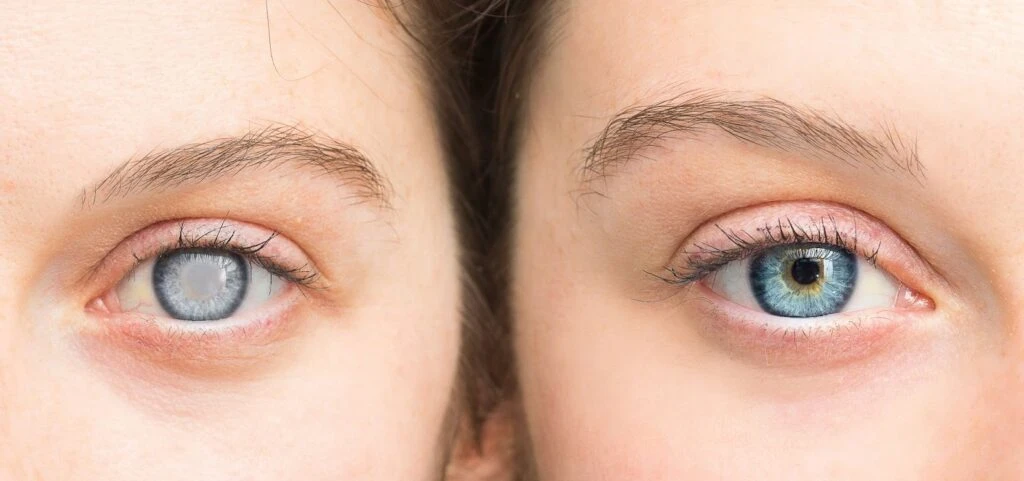
Cataracts: Clouding of the eye’s natural lens
Astigmatism: Irregular curvature of the cornea or lens
Keratoconus: Thinning and cone-shaped deformation of the cornea
Pterygium (surfer’s eye): Growth on the sclera that may invade the cornea
Dislocated lens: Shifting of the natural lens inside the eye
Retinal problems: Affecting the light-sensitive tissue at the back of the eye
External pressure on the cornea: Caused by styes, chalazion, or other bumps
Nerve and Muscle Causes
When both eyes are affected, the issue may involve the nerves or muscles controlling eye movement:
Strabismus: Misalignment of the eyes, preventing proper coordination
Cranial nerve palsy: Weakness or paralysis of specific nerves in the head
Thyroid eye disease: Swelling or stiffness of eye muscles due to thyroid problems
Myasthenia gravis: Autoimmune disorder weakening voluntary muscles, including eye muscles
Orbital trauma: Injuries to the eye socket
Complications from surgery: Procedures involving eyes, teeth, or sinuses
Brain and Systemic Causes
Some forms are caused by neurological or systemic conditions:
Stroke or transient ischemic attack (TIA) – Blocked or bleeding blood vessels in the brain
Multiple sclerosis (MS) – Disruption of nerve signals between the brain and eyes
Head injury – Traumatic brain injury affecting eye control
Brain tumor – Pressure or damage to nerves controlling eye movement
Brain aneurysm – Bulging blood vessels pressing on eye-related nerves
These causes may be life-threatening. Immediate medical attention is necessary if it occurs alongside head trauma, stroke symptoms, or sudden neurological changes.
Symptoms of Diplopia
Aside from seeing double, it may present with:
Pain during eye movement
Headaches or migraines
Aching temples or eyebrows
Nausea or vomiting
Blurred vision
Eye misalignment or “wandering” appearance
Droopy eyelids (ptosis)
Uneven or dilated pupils
Weakness, numbness, or dizziness
The severity and combination of symptoms depend on the underlying cause. Any sudden onset warrants prompt evaluation.
Diagnosis of Double Vision
Diagnoses involves a combination of eye exams, imaging, and neurological evaluation:
Comprehensive eye exam: Checks visual acuity, eye alignment, and overall eye health
Eye cover test: Detects alignment and coordination issues
Pupil and nerve function tests: Evaluates how well nerves control eye muscles
Imaging tests: CT or MRI scans to detect brain-related causes
Blood or urine tests: Screens for systemic conditions like diabetes or thyroid disease
Doctors may also assess eye movement in all directions, measure the separation and alignment of double images, and evaluate whether the problem is monocular or binocular.
Treatment Options for Diplopia
Treatment depends on the cause, severity, and duration. Some cases resolve naturally, while others require medical or surgical intervention.
Non-Surgical Treatments
Prism glasses: Special lenses that bend light to align images
Patch therapy: Covering one eye to alleviate discomfort
Bifocal or reading glasses: Help treat convergence excess (eyes crossing when focusing up close)
Vision therapy: Exercises to improve coordination and eye alignment, especially for convergence insufficiency
Surgical and Medical Treatments
Eye muscle surgery: Straightens eyes when misalignment causes persistent diplopia
Cataract surgery: Replaces a clouded lens to restore clear vision
Medication: Treats underlying conditions such as myasthenia gravis, Graves’ disease, or diabetes
Emergency treatment: Urgent conditions like stroke or aneurysm require immediate medical intervention
Diplopia and Strabismus
Strabismus, or misalignment of the eyes, can lead to binocular diplopia. It is often present from childhood but can also develop in adulthood.
Children may suppress the image from the misaligned eye to avoid seeing double, which can result in amblyopia (lazy eye).
Adults usually experience it because the brain cannot suppress one eye’s image.
Treatment for strabismus may include prism glasses, surgery, or vision therapy depending on the severity and patient age.
When to Seek Medical Help
It should never be ignored. Seek immediate medical attention if it occurs with:
Signs of stroke or neurological problems (weakness, numbness, difficulty speaking, walking, or swallowing)
Severe eye pain or headache
Sudden changes in eye appearance or pupil size
Recent head or eye injury
Even if symptoms resolve temporarily, consulting an eye doctor or physician is crucial to rule out serious underlying conditions.
Living With Double Vision
It can make even simple daily tasks feel challenging. Reading, driving, working on a computer, or walking down stairs may become difficult when objects appear duplicated or misaligned. For many people, the condition can be frustrating, disorienting, and sometimes even concerning.
It can affect one eye or both eyes. It may be caused by issues with eye alignment, nerve function, muscle control, refractive errors, or underlying health conditions. Because the causes can vary, a thorough eye examination is essential to determine the source and the most appropriate treatment.
At our clinic, we take a comprehensive and personalized approach to diagnosing double vision. Your assessment may include detailed eye alignment testing, vision measurements, and an evaluation of how your eyes work together as a team.
Treatment options depend on the underlying cause and may include:
Prescription lenses or prism glasses
Vision therapy
Eye muscle treatment or referral to a specialist
Management of underlying medical conditions
Our goal is to reduce or eliminate double vision whenever possible — and to help you feel confident and comfortable in your day-to-day life again. If you are experiencing sudden or persistent double vision, we encourage you to schedule an assessment promptly.
When Your Vision Feels Misaligned
Seeing two overlapping or side-by-side images can be unsettling and disruptive. Everyday tasks such as reading, driving, using digital devices, or walking down stairs may suddenly feel difficult. You may notice eye strain, headaches, nausea, or a need to close one eye to see more clearly. These symptoms can affect confidence, safety, and overall quality of life.
This type of visual disturbance can occur for many reasons. It may be related to how the eye muscles coordinate movement, how the eyes align and focus together, or how signals travel between the eyes and the brain. In some cases, it can be associated with changes in prescription, fatigue, injury, or underlying health conditions. Because the causes vary, a thorough evaluation is essential.
At our clinic, we begin with a detailed assessment of how your eyes work as a team. We evaluate alignment, focusing ability, eye movement, and overall ocular health. If needed, we may collaborate with other healthcare providers to ensure you receive comprehensive care.
Management options are tailored to your specific needs and may include specialized lenses, prism correction, visual rehabilitation exercises, or referral for additional medical evaluation. Our approach focuses on improving comfort, stability, and clarity so you can return to your daily activities with greater ease.
If you are experiencing persistent or sudden changes in how images appear, it is important to seek professional advice promptly. Clear, comfortable sight plays a vital role in your independence and well-being. Our team is here to guide you with careful assessment, personalized recommendations, and supportive care every step of the way.
Great External Resources
We’re Here to Support Your Vision
Changes in your vision can feel unsettling — especially when they affect how you see and move through the world. Whether you’re seeing two, have blurred sight, or having difficulty focusing, you don’t have to navigate it alone.
Our team provides compassionate, patient-focused care in a calm and welcoming environment. We take the time to listen, answer your questions, and clearly explain your options so you can feel informed and supported every step of the way.
Your vision plays an important role in your independence, safety, and quality of life. We’re here to help you protect it.
Early diagnosis can make a significant difference in managing it effectively. The sooner the underlying cause is identified, the sooner treatment can begin. Even subtle symptoms should not be ignored. If something feels “off” with your vision, a comprehensive eye examination can provide clarity, reassurance, and a clear plan forward.
Frequently Asked Questions (FAQs)
Why does double vision occur?
It happens when your eyes fail to focus light properly or do not align correctly. This can be caused by eye problems (like cataracts or corneal irregularities), misalignment of the eye muscles, nerve issues, or brain conditions that affect how the eyes work together.
Why does double vision happen in only one eye?
A single eye (monocular diplopia) usually indicates a problem inside that eye. Common causes include cataracts, corneal scars, astigmatism, keratoconus, dry eyes, or lens dislocation. Covering the affected eye often resolves the double image.
Why can double vision occur when drinking alcohol?
Alcohol can temporarily impair muscle control and nerve function, including the muscles that move your eyes. This can cause temporary double vision, usually resolving once the alcohol is metabolized.
What causes double vision?
- Eye problems (cataracts, corneal scars, dry eyes, lens issues)
Eye muscle or nerve problems (strabismus, cranial nerve palsy, thyroid eye disease, myasthenia gravis)
Brain conditions (stroke, aneurysm, brain injury, tumors)
Temporary lifestyle factors (fatigue, alcohol, medications)
What is double vision a sign of?
It can be a sign of an eye condition, a neurological problem, or another medical disorder. For example, it may indicate cataracts, stroke, multiple sclerosis, thyroid disease, or nerve damage.
What is double vision a symptom of?
It is a symptom itself—it signals that the visual system is not working properly. It often accompanies other conditions like strabismus, myasthenia gravis, brain injury, or cranial nerve palsies.
What causes double vision after a head injury?
Head trauma can damage the brain, nerves, or eye muscles, leading to sudden or persistent double vision. Concussions, orbital fractures, and traumatic brain injuries are common causes.
What causes double vision suddenly?
Sudden-onset may be caused by neurological events (stroke, TIA, aneurysm), acute eye muscle nerve issues, head trauma, or sudden worsening of cataracts or eye misalignment. Immediate evaluation is essential.
What causes double vision after cataract surgery?
Double vision after cataract surgery may result from temporary eye swelling, residual lens misalignment, corneal changes, or pre-existing eye muscle imbalances that become noticeable after surgery. Usually, it improves with time or minor corrective procedures.
Can double vision be corrected?
Yes, in many cases it can be corrected. Treatment depends on the underlying cause and may include glasses, prism lenses, vision therapy, medications, or surgery.
Can double vision be cured?
Some cases can be cured permanently, particularly if caused by treatable eye conditions like cataracts, corneal problems, or misaligned eyes. For neurological or chronic conditions, it may be managed but not fully cured.
Can double vision be corrected with glasses?
Yes, specially prescribed prism glasses can help realign images for patients with certain types of binocular diplopia. Regular prescription glasses usually cannot correct double vision caused by eye misalignment or neurological issues.
Can double vision come and go?
Yes. it can appear and disappear, often caused by fatigue, eye strain, myasthenia gravis, or mild nerve dysfunction. Temporary double vision should always be evaluated to rule out serious causes.
Can double vision lead to blindness?
It itself does not usually cause blindness. However, the underlying conditions causing diplopia—like untreated cataracts, eye injuries, retinal problems, or severe neurological disorders—may affect long-term vision if not addressed promptly.