


If you’ve been thinking about getting rid of glasses or contact lenses, chances are you’ve already heard about LASIK. But today, there’s another advanced option gaining popularity—SMILE eye surgery.
Both procedures fall under the umbrella of laser vision correction and are designed to improve how light focuses on your retina. But while they share the same goal, their techniques, recovery timelines, and suitability differ in important ways.
At Ebsaar Eye Clinic, patients often ask: “Should I choose SMILE or LASIK?” The answer depends on your eye health, lifestyle, and visual needs. In this comprehensive guide, we break down everything you need to know to make the right decision with your ophthalmologist.
Understanding Refractive Errors and Laser Vision Correction
Before comparing SMILE vs LASIK, it’s important to understand what these procedures actually treat.
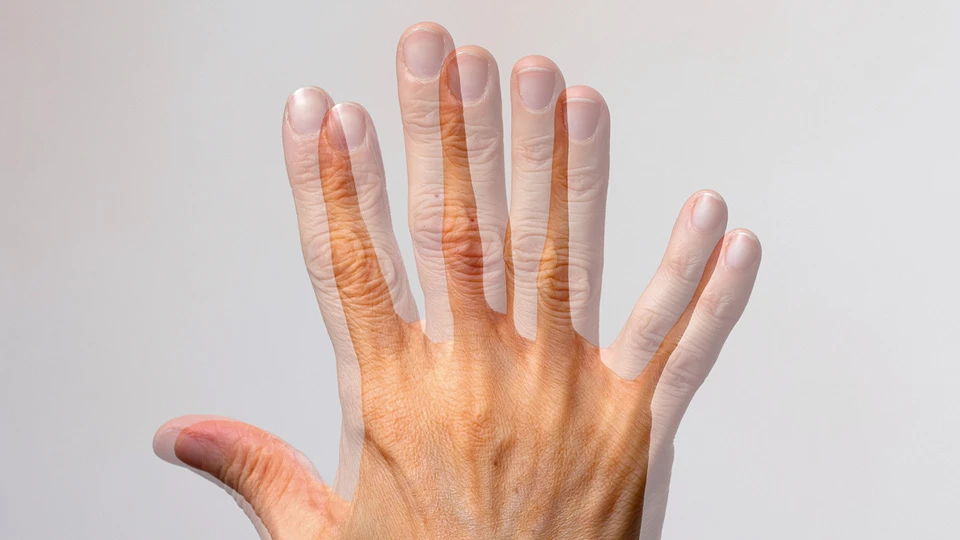
Most people who need vision correction have what’s called a refractive error, meaning the shape of the eye prevents light from focusing properly on the retina. This leads to blurred vision.
Common refractive errors include:
- Myopia (nearsightedness): Difficulty seeing distant objects
- Hyperopia (farsightedness): Difficulty seeing nearby objects
- Astigmatism: Irregular curvature of the cornea causing distorted vision
Both SMILE and LASIK work by reshaping the cornea, the clear front surface of the eye, so light can focus correctly.
What Is LASIK Eye Surgery?
LASIK (Laser-Assisted In Situ Keratomileusis) is the most well-known and widely performed laser vision correction procedure in the world.
How LASIK Works
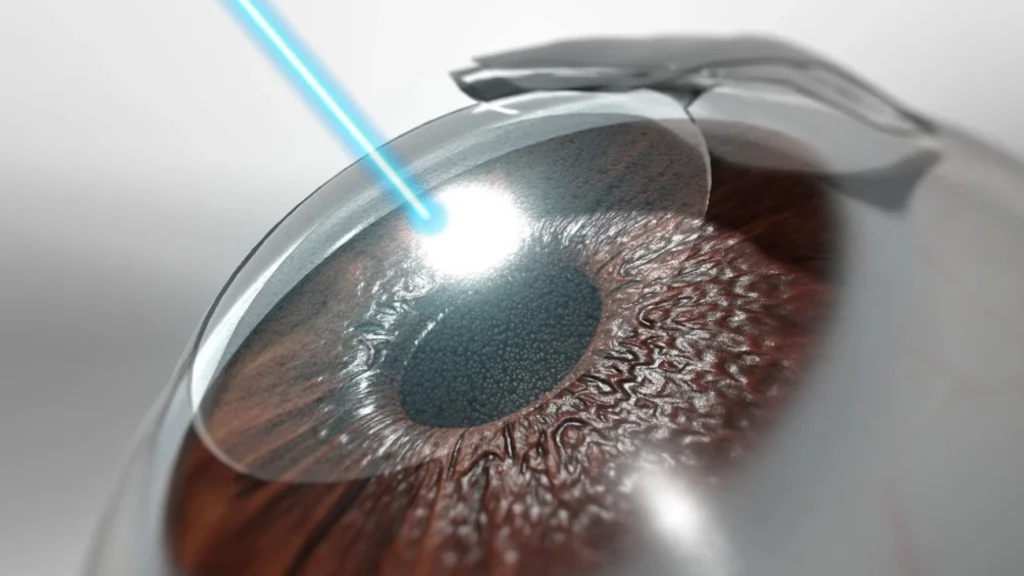
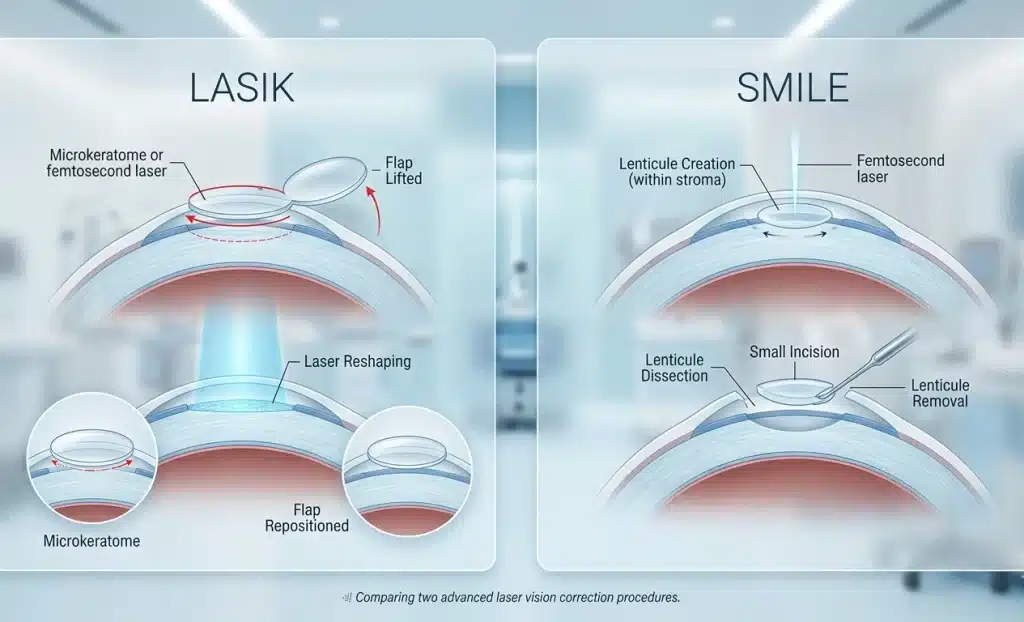
The LASIK procedure involves three main steps:
- Flap Creation
A thin flap is created on the surface of the cornea using a femtosecond laser. - Corneal Reshaping
An excimer laser reshapes the underlying corneal tissue to correct vision. - Flap Repositioning
The flap is placed back in position, where it heals naturally without stitches.
What LASIK Can Treat
LASIK is highly versatile and can correct:
- Myopia
- Hyperopia
- Astigmatism
- In some cases, presbyopia (via monovision)
LASIK Results
- Vision improvement often begins within hours
- Most patients achieve 20/20 or near-perfect vision
- Recovery is typically very fast (1–2 days)
What Is SMILE Eye Surgery?
SMILE (Small Incision Lenticule Extraction) is a newer, minimally invasive alternative to LASIK.
How SMILE Works
Unlike LASIK, SMILE does not involve creating a corneal flap.
- A femtosecond laser creates a small disc-shaped piece of tissue (called a lenticule) within the cornea
- This lenticule is removed through a tiny incision (2–4 mm)
- Removing the lenticule reshapes the cornea and corrects vision
What SMILE Can Treat
SMILE is primarily used for:
- Myopia
- Astigmatism
It is not suitable for hyperopia (farsightedness).
SMILE Results
- Vision improves within a few days
- Slightly longer stabilization compared to LASIK
- Excellent long-term outcomes comparable to LASIK
SMILE vs LASIK: Key Differences
Understanding the differences between SMILE vs LASIK helps clarify which option may suit you best.
1. Flap vs Flap-Free Technique
- LASIK: Requires creation of a corneal flap
- SMILE: No flap, only a small incision
This makes SMILE less invasive and eliminates flap-related complications.
2. Recovery Time
- LASIK: Vision improves within 24–48 hours
- SMILE: Initial recovery takes 2–3 days, with gradual stabilization
If fast recovery is a priority, LASIK has a slight edge.
3. Dry Eye Risk
- LASIK: Higher risk of temporary dry eyes due to nerve disruption
- SMILE: Lower risk, as more corneal nerves are preserved
This is particularly important in dry climates like the UAE.
4. Range of Vision Correction
- LASIK: Treats myopia, hyperopia, and astigmatism
- SMILE: Limited to myopia and astigmatism
LASIK is more versatile overall.
5. Corneal Strength
- SMILE: Preserves more of the cornea’s natural structure
- LASIK: Slightly more impact due to flap creation
This makes SMILE a better option for some patients with thinner corneas.
6. Enhancement Procedures
- LASIK: Easier to enhance or adjust later
- SMILE: Enhancements are more complex
Advantages of LASIK
LASIK remains the gold standard for many patients due to its long track record and flexibility.
Key Benefits
- Fast visual recovery
- Treats a wider range of conditions
- Highly customizable with advanced technologies
- Widely available and well-studied
- Proven safety with millions of procedures performed
Disadvantages of LASIK
While LASIK is highly effective, it may not be suitable for everyone.
Limitations
- Flap-related risks (though rare)
- Temporary dry eye symptoms
- Not ideal for thin corneas
- Some patients are not eligible
Advantages of SMILE
SMILE is gaining popularity, especially among younger and more active patients.
Key Benefits
- Minimally invasive (no flap)
- Lower risk of dry eyes
- Better corneal strength preservation
- Reduced risk of complications from trauma
- Ideal for active lifestyles and contact sports
Disadvantages of SMILE
Despite its benefits, SMILE has some limitations.
Limitations
- Cannot treat farsightedness
- Slightly slower visual recovery
- Fewer surgeons have extensive experience
- Enhancement procedures are more complex
Who Is a Good Candidate for LASIK?
You may be a good candidate for LASIK if you:
- Have myopia, hyperopia, or astigmatism
- Have a stable prescription for at least one year
- Have adequate corneal thickness
- Want quick recovery and immediate results
Who Is a Good Candidate for SMILE?
SMILE may be better suited if you:
- Have myopia or astigmatism
- Have thin corneas
- Experience dry eyes
- Lead an active lifestyle (sports, fitness, etc.)
- Prefer a minimally invasive procedure
Who Should Avoid Laser Vision Correction?
Both procedures may not be suitable if you have:
- Unstable vision
- Severe dry eye disease
- Cataracts
- Advanced glaucoma
- Keratoconus or corneal disease
- Uncontrolled diabetes
A detailed consultation at Ebsaar Eye Surgery Center is essential to determine eligibility.
SMILE vs LASIK: Procedure Experience
Both procedures are:
- Quick (usually under 15 minutes for both eyes)
- Performed under local anesthetic (eye drops)
- Painless during surgery
After Surgery
- You may experience mild discomfort for a few hours
- Vision improves quickly
- Most patients return to normal activities within days
Recovery and Aftercare
LASIK Recovery
- Clear vision within 1–2 days
- Temporary dryness or halos possible
- Avoid rubbing eyes and strenuous activity
SMILE Recovery
- Slightly slower initial clarity
- Less dryness overall
- Similar aftercare precautions
Your ophthalmologist at Ebsaar Eye Clinic will provide personalized recovery guidelines.
SMILE vs LASIK Cost Considerations
Costs can vary depending on:
- Technology used
- Surgeon experience
- Clinic reputation
- Complexity of your prescription
Typically:
- LASIK is more widely available and may be more affordable
- SMILE can be slightly more expensive due to advanced technology
Since both are elective procedures, they are usually not covered by insurance.
SMILE vs LASIK: Which Is Better?
There is no universal “best” option.
The real question is: Which is best for you?
Choose LASIK if:
- You need correction for farsightedness
- You want the fastest recovery
- You prefer a well-established procedure
Choose SMILE if:
- You have dry eyes
- You have thin corneas
- You want a flap-free, minimally invasive option
- You live an active lifestyle
Advanced Technology Behind SMILE and LASIK
Modern laser vision correction relies on extremely precise and sophisticated technology. Understanding how these systems work can help you feel more confident about your decision.
Femtosecond Laser Technology
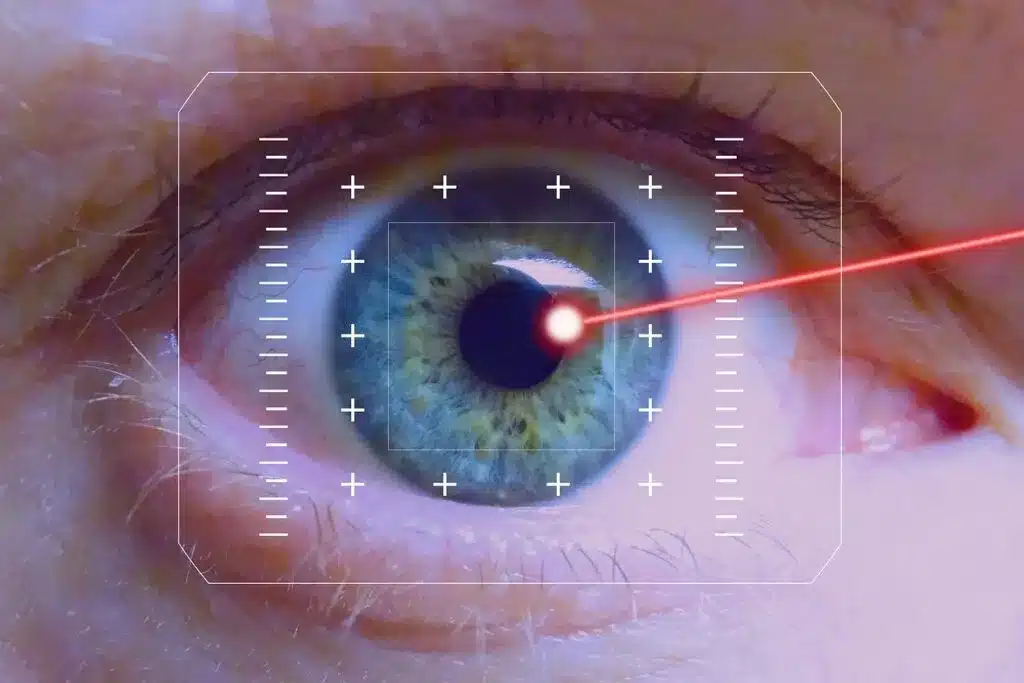
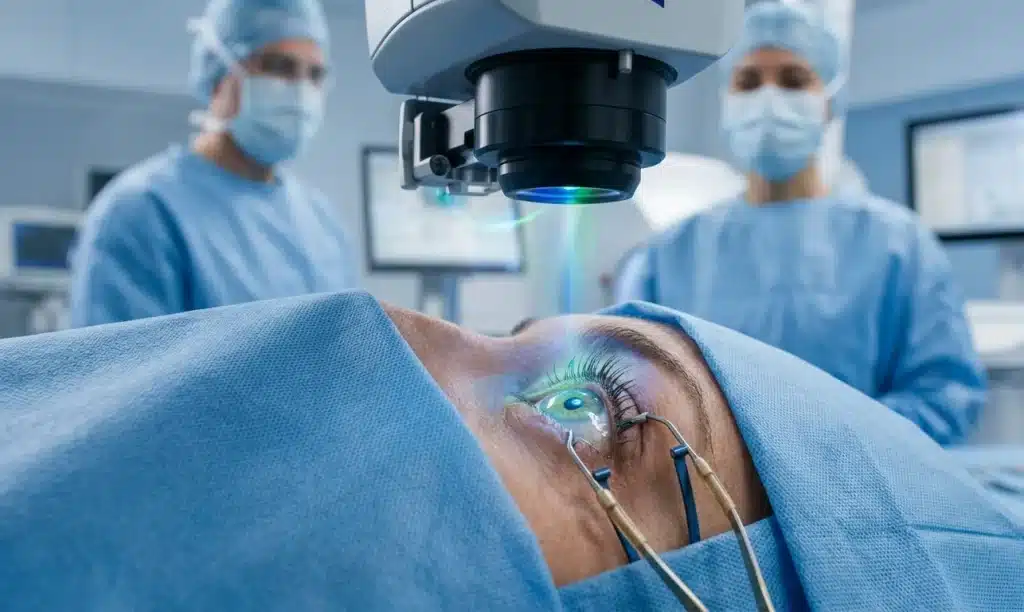
Both SMILE and LASIK use a femtosecond laser, which delivers ultra-fast pulses (in quadrillionths of a second). This allows surgeons to create highly precise corneal changes with minimal disruption to surrounding tissue.
- In LASIK, the femtosecond laser is used to create the corneal flap
- In SMILE, it performs the entire procedure, including lenticule creation
This level of precision significantly improves safety, predictability, and outcomes.
Excimer Laser in LASIK
LASIK also uses an excimer laser, which reshapes the cornea by removing microscopic layers of tissue.
Key advantages include:
- Highly customizable treatments
- Ability to correct complex prescriptions
- Proven accuracy over decades
This dual-laser approach is one reason LASIK remains so versatile.
Corneal Mapping and Diagnostics
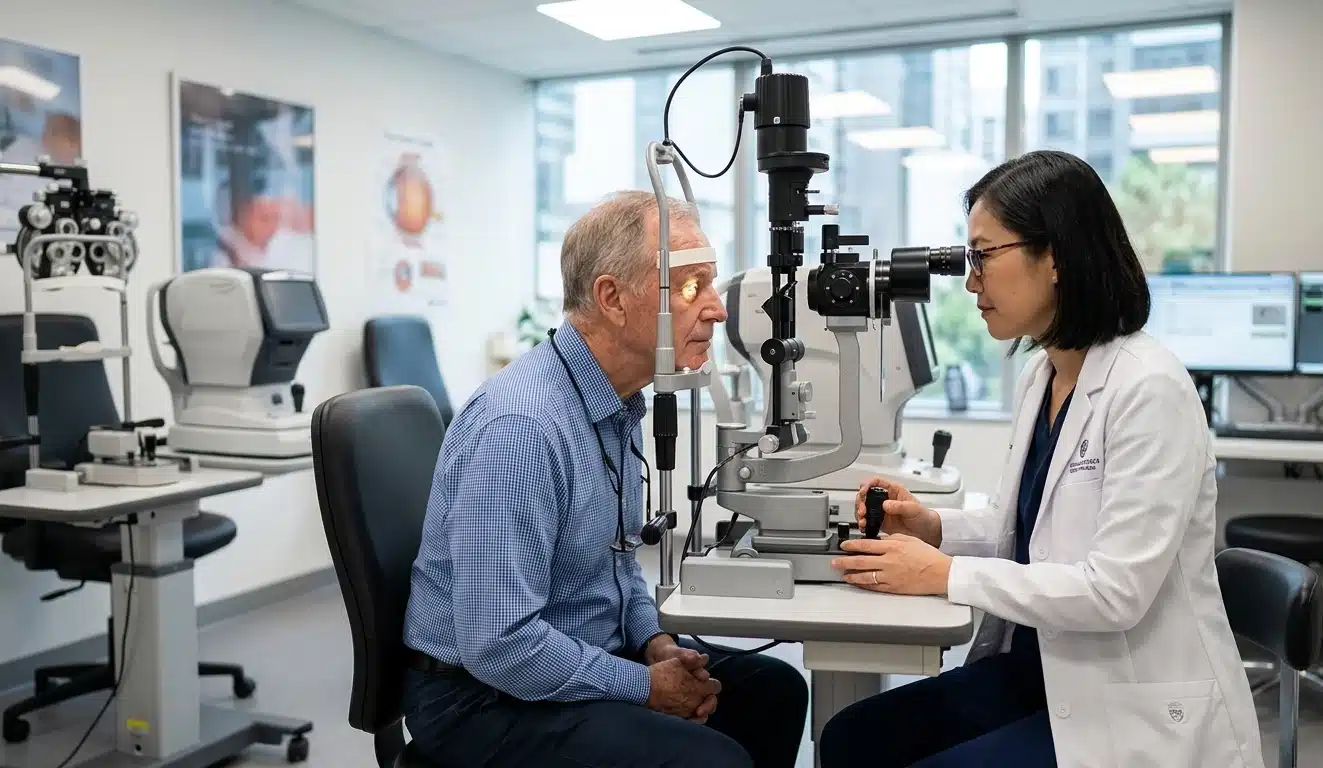
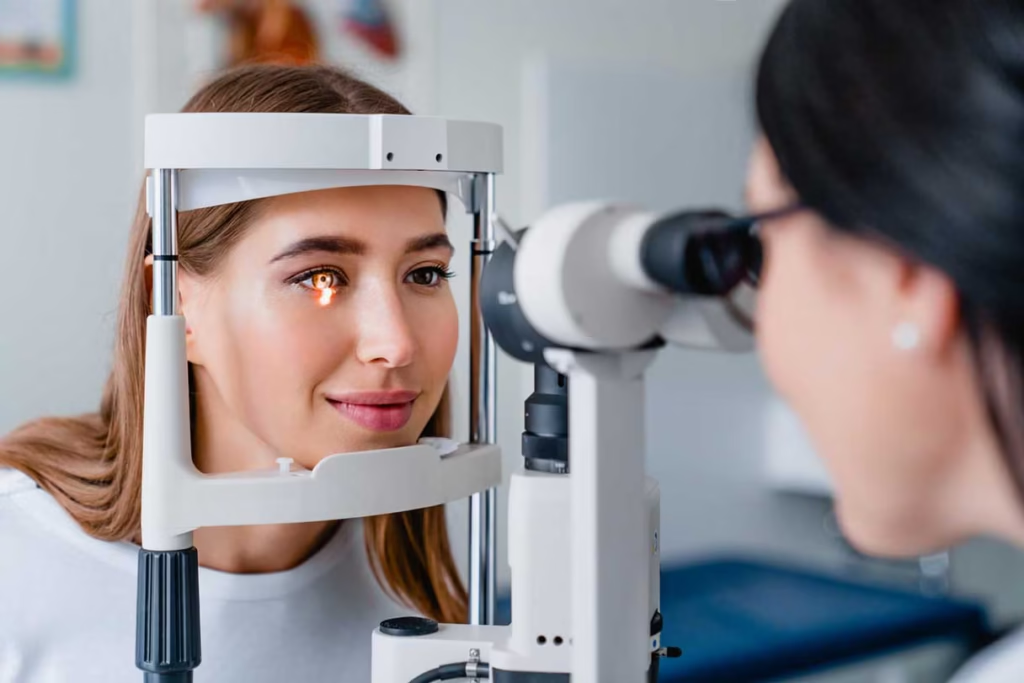
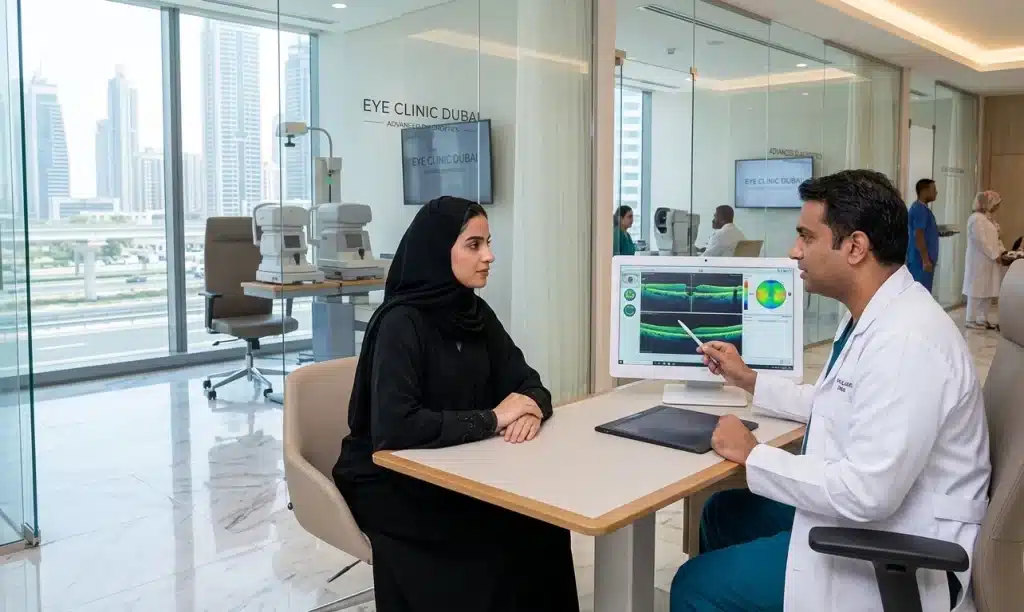
Before any procedure at Ebsaar Eye Clinic, patients undergo advanced diagnostic imaging such as:
- Corneal topography (maps surface shape)
- Tomography (analyzes corneal thickness and structure)
- Wavefront analysis (detects subtle visual imperfections)
These tools allow your ophthalmologist to tailor your treatment with exceptional precision.
SMILE vs LASIK for Different Lifestyles
Your daily habits and environment play a major role in determining which procedure is best for you.
Active Lifestyles and Athletes
If you participate in sports or physically demanding activities:
- SMILE is often preferred due to the absence of a flap
- There is no risk of flap displacement from impact
- Faster return to physical activity in some cases
This makes SMILE ideal for:
- Gym enthusiasts
- Contact sports players
- Outdoor adventurers
Digital Screen Users
In today’s world, many people spend hours on screens.
- LASIK patients may experience temporary dry eye symptoms
- SMILE patients generally report less dryness
If you work long hours on a computer, SMILE may offer more comfort.
Professionals Seeking Fast Results
If your schedule demands a quick return to work:
- LASIK provides faster visual clarity
- Many patients resume work within 24 hours
This makes LASIK popular among:
- Corporate professionals
- Business owners
- Individuals with limited downtime
Long-Term Results and Stability
Both SMILE and LASIK provide long-lasting results, but it’s important to understand what “permanent” really means.
Are Results Permanent?
The corneal reshaping performed during both procedures is permanent. However:
- Your eyes can still change with age
- Conditions like presbyopia (age-related near vision loss) can develop
This means you may still need reading glasses later in life, even after successful surgery.
Regression and Enhancements
In some cases, a small degree of regression (partial return of vision error) may occur.
- LASIK enhancements are typically straightforward
- SMILE enhancements may require alternative approaches
At Ebsaar Eye Surgery Center, patients are carefully monitored to ensure optimal long-term results.
Safety Profile of SMILE vs LASIK
Both procedures are considered extremely safe when performed by experienced surgeons.
LASIK Safety
- Over 25 million procedures performed worldwide
- Extensive research spanning decades
- High success and satisfaction rates
SMILE Safety
- Rapidly growing global adoption
- Strong safety profile with fewer nerve disruptions
- Lower incidence of certain side effects like dry eye
Potential Side Effects
As with any medical procedure, there are potential side effects:
Common temporary effects:
- Dry eyes
- Light sensitivity
- Halos or glare at night
Rare complications:
- Infection
- Under- or over-correction
- Flap-related issues (LASIK only)
Choosing an experienced ophthalmologist at Ebsaar Eye Clinic significantly reduces these risks.
SMILE vs LASIK in the UAE Climate
The UAE’s environment presents unique considerations for eye health.
Dry Climate Impact
- High temperatures and air conditioning contribute to dry eyes
- Dust and sand exposure can irritate sensitive eyes
Why SMILE May Be Beneficial
- Preserves more corneal nerves
- Reduces post-operative dryness
- Offers better comfort in dry environments
However, LASIK remains an excellent option for many patients, especially with modern techniques that minimize dryness.
Psychological and Lifestyle Benefits
Laser vision correction offers more than just clearer sight—it can significantly improve quality of life.
Freedom from Glasses and Contacts
Patients often report:
- Greater convenience
- Improved confidence
- Easier travel and daily routines
Enhanced Performance
Clear vision can enhance:
- Sports performance
- Driving safety
- Work productivity
Cost Savings Over Time
While the upfront cost may seem high, many patients save money long-term by eliminating:
- Glasses
- Contact lenses
- Cleaning solutions
Common Myths About SMILE vs LASIK
Let’s address some misconceptions that patients often have.
Myth 1: LASIK Is Painful
Reality: Both procedures are virtually painless due to numbing eye drops.
Myth 2: SMILE Is Experimental
Reality: SMILE is FDA-approved and widely performed globally with proven results.
Myth 3: Results Are Instant for Everyone
Reality: While many patients experience rapid improvement, healing varies from person to person.
Myth 4: You’ll Never Need Glasses Again
Reality: Age-related vision changes can still occur over time.
Preparing for Your Procedure
Proper preparation ensures a smooth experience and optimal results.
Before Surgery
Your ophthalmologist at Ebsaar Eye Clinic may advise:
- Stop wearing contact lenses (for a period before evaluation)
- Avoid makeup on the day of surgery
- Arrange transportation home
What to Expect on Surgery Day
- Procedure typically takes 10–15 minutes
- You’ll be awake but comfortable
- Vision may be blurry immediately after
Post-Surgery Care Tips
Following your procedure, proper care is essential.
Do’s
- Use prescribed eye drops regularly
- Attend follow-up appointments
- Rest your eyes
Don’ts
- Avoid rubbing your eyes
- Stay away from swimming pools initially
- Limit screen time for the first few days
SMILE vs LASIK: Global Trends in 2026
Laser vision correction continues to evolve rapidly.
Increasing Popularity of SMILE
- Growing adoption worldwide
- Particularly popular in Asia and the Middle East
- Preferred for minimally invasive benefits
Continued Dominance of LASIK
- Remains the most widely performed procedure
- Constant technological improvements
- Strong trust among patients and surgeons
Personalized Treatment: Why It Matters
No two eyes are the same. That’s why a personalized approach is critical.
At Ebsaar Eye Surgery Center, treatment decisions are based on:
- Corneal thickness
- Eye health
- Prescription type
- Lifestyle needs
This ensures that each patient receives the most suitable procedure.
Questions to Ask Your Ophthalmologist
Before choosing between SMILE vs LASIK, consider asking:
- Am I a candidate for both procedures?
- Which option suits my lifestyle best?
- What results can I realistically expect?
- What are the risks in my specific case?
Clear communication helps you make an informed decision.
Realistic Expectations After Surgery
While outcomes are highly successful, it’s important to have realistic expectations.
- Vision may fluctuate during early recovery
- Night vision disturbances may occur temporarily
- Full stabilization can take weeks
Most patients, however, achieve excellent vision and high satisfaction.
SMILE vs LASIK: Which Option Is Best for Your Age and Life Stage?
When comparing SMILE vs LASIK, age is an important factor that often gets overlooked. While both procedures are highly effective, your stage of life can influence not only your eligibility but also which option will deliver the best long-term results.
At Ebsaar Eye Clinic, ophthalmologists carefully evaluate age-related factors before recommending any laser vision correction procedure.
In Your 20s: Early Vision Correction and Lifestyle Freedom
Many patients in their 20s seek laser vision correction for convenience and lifestyle reasons.
At this stage:
- Your prescription may still be changing
- Active lifestyles (sports, travel, social life) are common
- Long-term benefits of early correction are appealing
Best option considerations:
- SMILE may be ideal for active individuals or those prone to dry eyes
- LASIK is suitable if your prescription has stabilized for at least one year
Your ophthalmologist will confirm stability before proceeding, as fluctuating vision can affect long-term results.
In Your 30s: Peak Time for Laser Vision Correction
Your 30s are often considered the ideal time for procedures like SMILE or LASIK.
At this stage:
- Vision is typically stable
- Career and daily routines demand convenience
- Reduced dependence on glasses improves productivity
Best option considerations:
In Your 40s: Managing Presbyopia and Changing Vision
In your 40s, natural age-related changes begin to affect near vision. This condition is known as presbyopia.
You may notice:
- Difficulty reading small text
- Need for reading glasses
- Eye strain during close work
Best option considerations:
- LASIK can be adapted using monovision (one eye for distance, one for near)
- SMILE is less flexible for treating near-vision issues
At Ebsaar Eye Surgery Center, your ophthalmologist may recommend customized LASIK solutions to address both distance and near vision needs.
In Your 50s and Beyond: Evaluating Overall Eye Health
For patients over 50, the decision becomes more complex and requires a thorough eye health evaluation.
Factors to consider:
- Early cataract development
- Reduced tear production
- General eye health conditions
Best option considerations:
- Some patients may still qualify for LASIK or SMILE
- Others may benefit more from alternative procedures, such as lens-based correction
A comprehensive assessment at Ebsaar Eye Clinic ensures the safest and most effective approach.
LASIK and SMILE for Women: Special Considerations

Hormonal changes can influence eye health, particularly for women.
Pregnancy and Breastfeeding
Laser vision correction is typically not recommended during pregnancy or breastfeeding due to:
- Hormonal fluctuations affecting vision
- Temporary changes in corneal shape
Patients are usually advised to wait until vision stabilizes.
Hormonal Changes and Dry Eye
Women may be more prone to dry eye symptoms, especially:
- During pregnancy
- With hormonal treatments
- Around menopause
In such cases:
- SMILE may be preferred due to lower dry eye risk
- A detailed evaluation helps determine the best option
Enhancing Your Results: Lifestyle After Surgery
Your lifestyle choices after SMILE or LASIK can impact long-term outcomes.
Protecting Your Vision
- Wear sunglasses to protect against UV exposure
- Stay hydrated to support tear production
- Maintain regular eye check-ups
Digital Eye Care
Even after surgery, prolonged screen use can cause discomfort.
Follow the 20-20-20 rule:
- Every 20 minutes
- Look at something 20 feet away
- For at least 20 seconds
Why Choose Ebsaar Eye Clinic for Laser Vision Correction?
At Ebsaar Eye Clinic, we combine advanced technology with experienced ophthalmologists to deliver personalized care.
What Sets Us Apart
- Comprehensive eye assessments
- Advanced SMILE and LASIK platforms
- Customized treatment plans
- Experienced surgical team
- Ongoing follow-up care
Our goal is simple: help you achieve clear, comfortable vision safely and effectively.
Final Thoughts
Both SMILE and LASIK are highly effective, safe, and life-changing procedures that can significantly reduce your dependence on glasses or contact lenses.
LASIK offers speed, versatility, and decades of proven success. SMILE brings innovation, minimal invasiveness, and improved comfort for certain patients.
The best way to decide is through a professional evaluation with an experienced ophthalmologist who understands your eyes, your lifestyle, and your goals.
Ready to Take the Next Step?
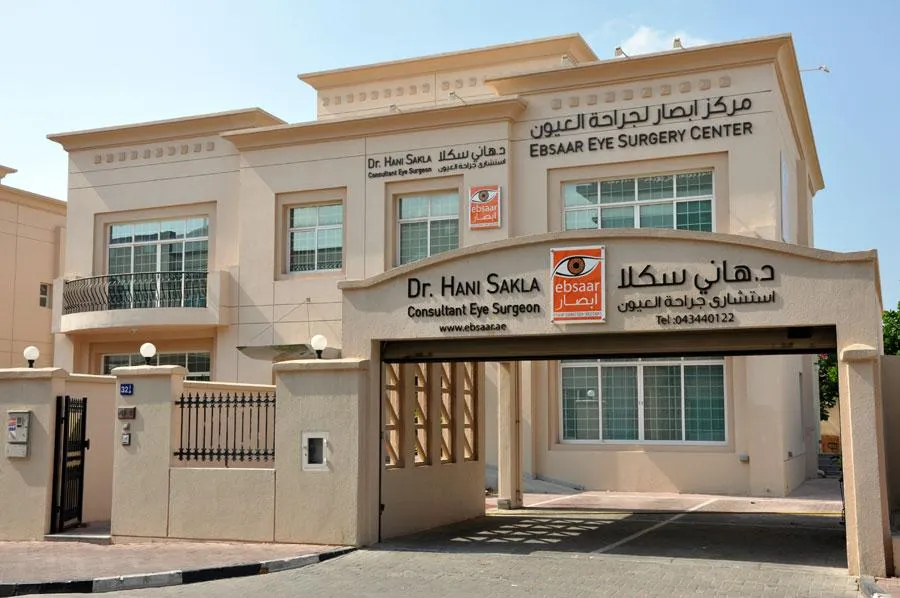
If you’re considering laser vision correction, book a consultation at Ebsaar Eye Clinic or Ebsaar Eye Surgery Center.
Our expert team will guide you through every step—from assessment to recovery—and help you choose between SMILE vs LASIK with confidence.
Clear vision starts with the right decision.