

What is Nystagmus?
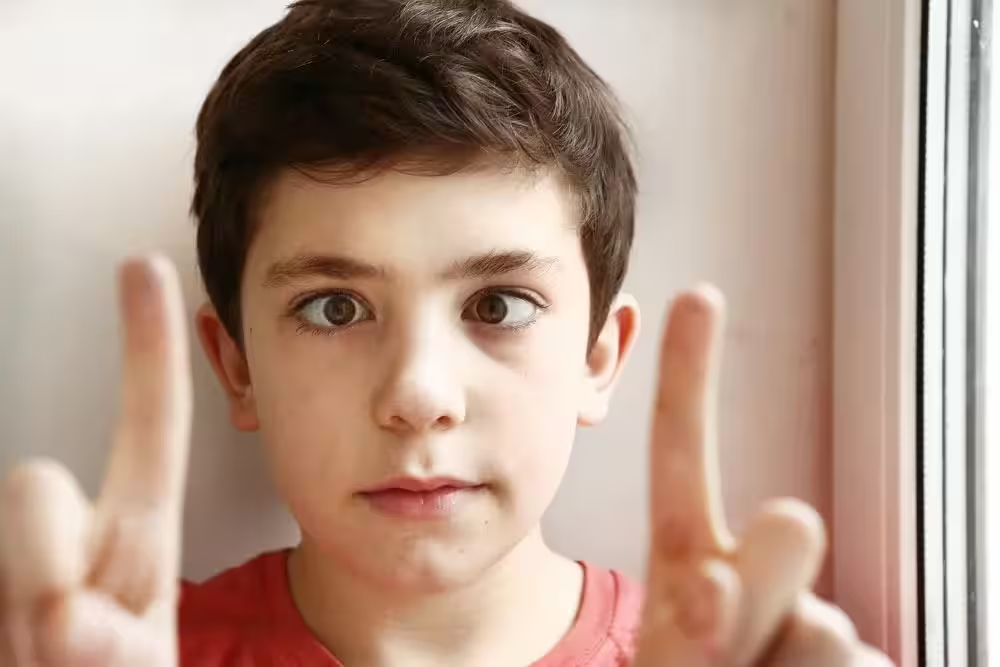
It is not a disease in itself but a symptom of an underlying issue. It can present in infancy or develop later in life. The uncontrolled eye movements often occur in both eyes, but the intensity and direction can vary. Many patients adapt by turning or tilting their heads to find a position where vision is clearer, known as the “null point.”
People may notice:
Rapid, involuntary eye movements
Difficulty focusing on objects
Sensitivity to light
Dizziness or balance problems
Night vision difficulties
Head tilting or unusual postures to see clearly
While the exact cause is often unknown, it is frequently associated with other eye or neurological conditions. Stress and fatigue can exacerbate symptoms.
Types of Nystagmus
Congenital (Infantile) Nystagmus
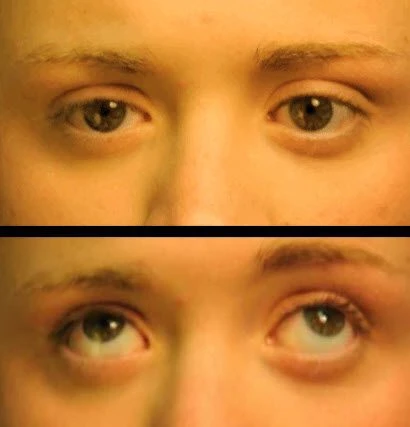
It appears within the first six weeks to three months of life. It is often horizontal and affects both eyes. Children with this condition may not perceive the world as “shaking,” though their vision can be blurred. Causes can include:
Hereditary factors (family history)
Albinism (lack of pigmentation in the eyes or skin)
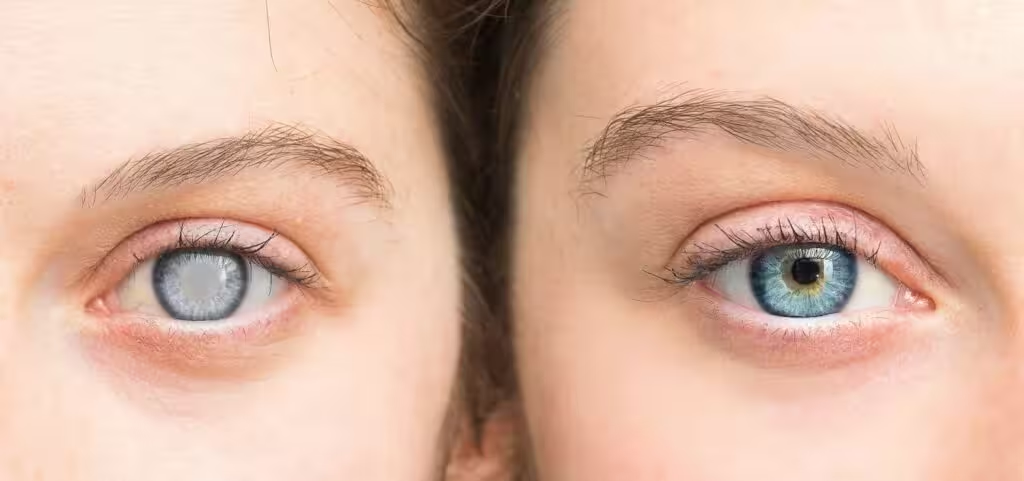
Congenital cataracts or other eye malformations
Optic nerve underdevelopment
Spasmus Nutans
Spasmus nutans usually occurs between six months and three years of age. It is characterized by:
Head nodding
Tilting of the head
Irregular eye movements in any direction
Acquired Nystagmus
It develops later in childhood or adulthood. Its causes can be neurological, systemic, or drug-related, including:
Stroke or brain injury
Multiple sclerosis
Inner ear disorders (e.g., Meniere’s disease)
High doses of medications such as anti-seizure drugs
Alcohol or drug toxicity
Causes & Risk Factors
It is caused by dysfunction in the parts of the brain responsible for controlling eye movement. Normally, these regions stabilize images on the retina as the head moves.
Common causes and risk factors include:
Family history
Eye abnormalities (strabismus, cataracts, optic nerve issues)
Albinism
Inner ear conditions affecting balance
Neurological conditions (multiple sclerosis, stroke)
Medications (lithium, anti-epileptic drugs)
Alcohol or drug use
Symptoms of Nystagmus
Patients may experience a combination of symptoms that impact daily life. These include:
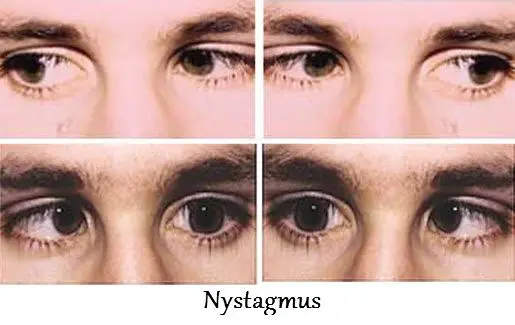
Involuntary eye movements: Eyes may move rapidly in horizontal, vertical, or circular patterns.
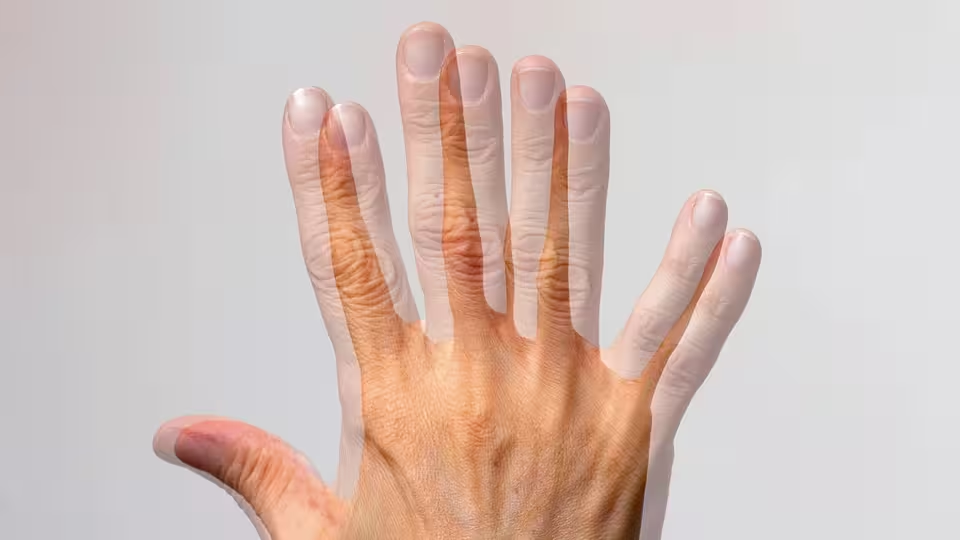
Blurred or shaky vision: Difficulty maintaining a clear view of objects.
Sensitivity to light: Bright lights can worsen symptoms.
Dizziness and balance problems: Eye movements can affect spatial orientation.
Difficulty seeing in low light: Night vision may be impaired.
Head tilt or unusual posture: Patients instinctively adjust head position to improve vision.
Diagnosing Nystagmus
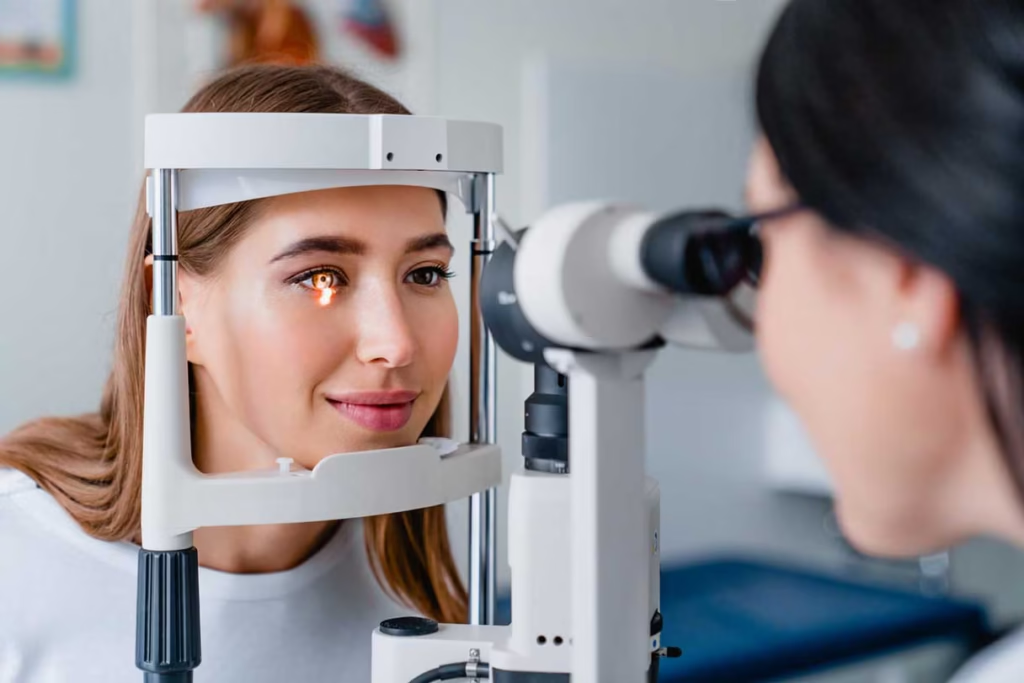
Accurate diagnosis is essential for effective treatment. A comprehensive eye examination by an ophthalmologist or optometrist may include:
Patient History: Gathering information on symptoms, family history, medications, and underlying health conditions.
Visual Acuity Tests: Assessing how well the eyes focus and detect objects.
Refraction Testing: Determining if corrective lenses can improve vision.
Eye Movement Assessment: Observing eye tracking and coordination to identify the type and severity of nystagmus.
Neurological and Ear Exams: Evaluating brain function and balance-related inner ear disorders.
Imaging Tests: MRI or CT scans may be performed if neurological causes are suspected.
Wobbly Eyes Treatment Options
There is currently no universal cure, but various treatment approaches can significantly improve vision, comfort, and quality of life.
Optical Aids
While glasses and contact lenses do not stop eye movements, they can enhance visual clarity and reduce the intensity of wobbly vision. Options include:
Prescription lenses for nearsightedness, farsightedness, or astigmatism
Magnifying devices or large-print materials
Enhanced lighting for reading and close-up tasks
Head Positioning & Null Point Therapy
Patients often find a “null point,” a head position where eye movements are minimal. Adjusting posture or head tilt can reduce visual disturbance. Some therapies involve training patients to adopt optimal positions to improve day-to-day functioning.
Medical Interventions
Certain medications may reduce the intensity in selected patients:
Gabapentin or Baclofen can be prescribed in some cases
Treatment of underlying conditions (e.g., stopping causative medications, managing neurological disorders)
Surgical Options
In rare cases, surgery may help reposition the eye muscles to reduce the need for extreme head tilting. While surgery does not cure it, it can improve quality of life by reducing compensatory postures.
Vision Therapy & Rehabilitation
Vision therapy programs help patients adapt to their symptoms, improving depth perception, reading speed, and visual comfort. Low-vision aids, such as electronic magnifiers or screen readers, may be beneficial.
Nystagmus in Children vs. Adults
Children
Congenital nystagmus in children may not cause them to perceive the world as shaky. Early intervention focuses on optimizing vision with glasses, correcting refractive errors, and monitoring for associated eye conditions.
Adults
Acquired nystagmus in adults often results in noticeable motion of the environment. Management focuses on treating the underlying cause, improving vision clarity, and using adaptive strategies to cope with the visual disturbance.
Prevention & Early Intervention
While it cannot be prevented, early detection can help manage symptoms effectively.
Avoiding excessive alcohol or recreational drug use
Regular eye and neurological check-ups
Prompt treatment of inner ear disorders or systemic illnesses
Careful use of medications that may affect eye movement
Congenital (Infantile) Nystagmus
It appears within the first six weeks to three months of life. It is often horizontal and affects both eyes. Children with this condition may not perceive the world as “shaking,” though their vision can be blurred. Causes can include:
Hereditary factors (family history)
Albinism (lack of pigmentation in the eyes or skin)
Congenital cataracts or other eye malformations
Optic nerve underdevelopment
Living With Nystagmus
Living with it requires lifestyle adaptations and ongoing care. Tips include:
Use bright, indirect lighting for reading and tasks
Avoid sudden head movements that exacerbate eye motion
Schedule regular eye exams to monitor vision changes
Consider occupational therapy to improve daily functioning
Use magnifiers or large-print materials when needed
Patients may also benefit from counseling or support groups to address the emotional impact.
Involuntary eye movements can significantly affect a person’s daily life, even if vision is not completely lost. People experiencing these movements often develop unique coping strategies, such as tilting their head or adjusting their posture to see more clearly. Fatigue, stress, and changes in lighting conditions can make these episodes more noticeable, which may impact tasks like reading, driving, or working on a computer. Early evaluation by a medical professional is important, as these symptoms can sometimes indicate underlying issues with the nervous system, inner ear, or visual pathway development. Supportive techniques, adaptive devices, and regular monitoring can help individuals maintain independence and reduce frustration, allowing them to engage in everyday activities with greater ease.
Great External Resources
Frequently Asked Questions (FAQs)
What causes wobbly eyes?
It cocurs due to involuntary, repetitive eye movements. The condition can be congenital (present at birth) or acquired later in life. Congenital nystagmus is often caused by genetic factors, underdevelopment of the optic nerves, or eye conditions such as cataracts or albinism. Acquired nystagmus may result from neurological disorders, inner ear problems, stroke, head trauma, multiple sclerosis, or adverse effects of medications such as anti-seizure drugs. The brain controls eye movements to stabilize vision. When these neural pathways are disrupted, the eyes may move uncontrollably.
Will nystagmus go away?
Whether it will go away depends on its type and cause. Congenital nystagmus, present from birth, typically persists throughout life. However, symptoms may improve as the child grows, and the head position may adjust to minimize eye wobbling. Acquired nystagmus, which develops later due to conditions such as stroke, multiple sclerosis, or inner ear problems, may improve if the underlying cause is treated. In some cases, stopping a medication or addressing a metabolic disorder can reduce eye movements. While nystagmus itself cannot always be “cured,” targeted therapies—such as glasses, contact lenses, low-vision aids, or in rare cases, surgery to reposition eye muscles—can reduce symptoms and improve quality of life.
Where does nystagmus come from?
It originates from disruptions in the neural pathways that control eye movement. Normally, the brain stabilizes vision by coordinating eye muscles, allowing us to focus steadily on objects even when our head moves. When these pathways are impaired, involuntary eye movements occur. Congenital nystagmus may arise from genetic mutations, underdeveloped optic nerves, or eye conditions such as cataracts and albinism. Acquired nystagmus can result from neurological disorders like multiple sclerosis, stroke, or head trauma, as well as inner ear conditions that affect balance and equilibrium.
How does nystagmus occur?
It occurs when the normal control of eye muscles is impaired. The eyes move automatically to stabilize images on the retina when the head moves. In people with nystagmus, this system malfunctions, causing rapid, repetitive, and involuntary eye movements. The pattern may be horizontal, vertical, or circular. Congenital nystagmus develops when the visual system is not fully developed at birth, leading to abnormal eye movement patterns. Acquired nystagmus arises later in life due to neurological damage, inner ear disorders, medication side effects, or metabolic issues.
How is nystagmus assessed?
It is assessed through a comprehensive eye examination conducted by an ophthalmologist or optometrist. The evaluation typically begins with a detailed patient history to identify symptoms, onset, family history, and potential triggers. Visual acuity testing determines how much vision is affected, while refraction assesses whether glasses or contact lenses can help. Eye movement is carefully observed to determine the type, speed, and direction of the nystagmus. Specialized tests, such as eye-movement recordings, may provide detailed data on the pattern and frequency of involuntary movements. Additional assessments can include neurological exams, inner ear evaluation, and imaging like MRI or CT scans if underlying neurological causes are suspected.
Can nystagmus be treated?
While it cannot always be cured, it can be effectively managed. Treatment aims to improve visual function, reduce eye movement, and enhance quality of life. Common approaches include corrective lenses, such as glasses or contact lenses, which optimize clarity and reduce visual strain. In some cases, prism lenses or magnification devices may help. Rarely, surgical procedures can reposition eye muscles to reduce abnormal head postures or improve focus. Supportive strategies, like occupational therapy, low-vision aids, and optimized lighting, can further enhance functionality.
Can nystagmus be cured?
Currently, there is no universal cure, particularly for congenital forms present from birth. Treatments focus on managing symptoms, improving vision, and enhancing daily functioning rather than eliminating the condition entirely. Corrective lenses, low-vision aids, and specialized optical devices can help maximize visual clarity. In selected cases, surgery may reposition eye muscles to reduce abnormal head postures or enhance focus. Acquired nystagmus may be partially reversible if the underlying cause, such as neurological damage, medication side effects, or inner ear issues, is addressed.
Can nystagmus cause dizziness?
Yes, it can contribute to dizziness or a sensation of imbalance. The involuntary eye movements can interfere with visual stabilization, making it difficult for the brain to accurately interpret motion and maintain balance. This may cause vertigo, unsteady walking, or difficulty coordinating movements. The severity of dizziness often depends on the type and intensity of the nystagmus, as well as any underlying conditions affecting the inner ear or nervous system. Children with congenital nystagmus may develop compensatory head postures that reduce dizziness, while adults with acquired nystagmus often report more pronounced vertigo or disorientation.
Can nystagmus cause seizures?
It typically does not cause seizures. However, in rare cases, it may be associated with neurological disorders that increase seizure risk, such as certain brain malformations, metabolic conditions, or genetic syndromes. In acquired nystagmus, if the underlying cause involves significant neurological disruption, patients may experience both involuntary eye movements and seizures. It’s important to distinguish primary nystagmus from secondary symptoms caused by other neurological issues.
Is nystagmus hereditary?
Yes, some forms can be hereditary. Genetic mutations affecting the development of the optic nerves or eye muscles may be passed from parents to children. Family history is a significant factor in assessing the likelihood of inherited nystagmus. In other cases, nystagmus may be linked to genetic conditions such as albinism or congenital cataracts.
Are people with nystagmus blind?
While the condition can cause blurred vision, poor depth perception, and difficulty focusing, it does not typically lead to complete vision loss. Congenital nystagmus often allows children to see reasonably well, even if their eyes move involuntarily. Acquired nystagmus may temporarily affect vision clarity, but addressing the underlying cause can often improve visual function.